The Importance of Energy Efficient Walls

Undoubtedly, walls are an essential part of a building’s infrastructure. They act as a barrier between the indoor and outdoor environments, providing insulation to minimize heat transfer. Insulating walls effectively reduces the heat flow into or out of the building, helping to maintain desired indoor temperatures and reducing the reliance on heating and cooling systems. Well-insulated walls can significantly reduce energy consumption and associated costs.

There are a variety of ways to achieve greater energy efficiency within the walls of a building. Some of these strategies include:

Insulation

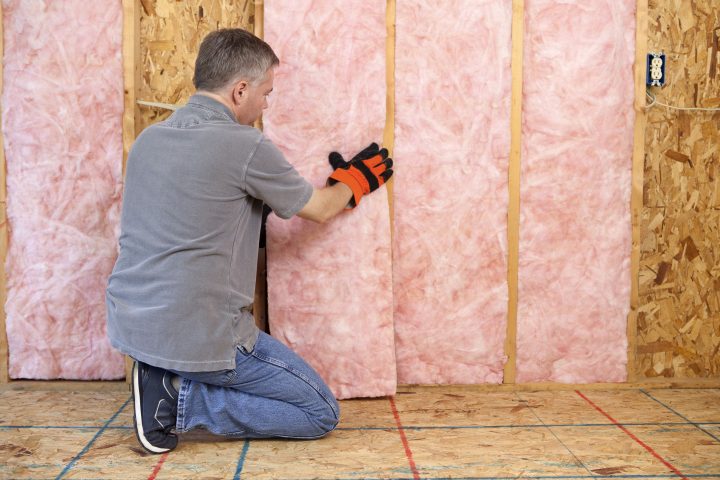
Adding insulation to walls is one of the most effective ways to improve energy efficiency. Different insulation materials, such as fiberglass, cellulose, foam boards, or spray foam, can be installed within the wall cavities. Determining the most energy-efficient insulation type depends on the specific project requirements. Insulation’s thermal resistance, commonly referred to as the R-value, is an important factor to consider. The higher the R-value, the better the insulation’s ability to resist heat transfer.

Air Sealing

Proper air sealing of walls helps prevent air leakage, which can lead to energy loss and discomfort. Seal gaps, cracks, and penetrations in the walls with caulking or weather-stripping to minimize air infiltration and improve energy efficiency.

Exterior Insulation

Adding insulation to the exterior of walls, commonly known as exterior insulation and finish systems (EIFS), can greatly enhance energy efficiency. Exterior insulation minimizes thermal bridging and provides a continuous thermal barrier, improving insulation performance and reducing heat loss/gain through the walls.

Thermal Mass

Incorporating materials with high thermal mass, such as concrete or masonry, into the walls can help regulate temperature fluctuations. Thermal mass absorbs and stores heat, releasing it slowly to help maintain more stable indoor temperatures, reducing the need for additional heating or cooling.

Reflective Coatings

Applying reflective coatings or light-colored paint on exterior walls can help reflect solar radiation, reducing heat absorption and keeping the building cooler during hot seasons. This can help reduce cooling loads and energy consumption.

Advanced Framing Techniques

Optimize wall framing to reduce thermal bridging and increase the space available for insulation. Techniques such as insulated headers, advanced stud spacing, and ladder blocking minimize heat transfer through the framing components.

Building Envelope Integrity

Ensure that the wall system is well-maintained and free from damage or deterioration. Regular inspections and repairs of the building envelope, which include walls, help prevent air leakage, moisture infiltration, and energy loss.

It is important to consider building codes, climate conditions, and the specific requirements of each project when implementing these strategies. Working with energy professionals such as QEA Tech can help identify where the most significant energy loss from a building’s walls is occurring and determine the retrofit methods that maximize energy savings and ROI.

QEA Tech and INOVUES Join Forces to Address Building Envelope Energy Loss

Clean Tech Partners Say Non-Invasive Energy Retrofits Could Save Hundreds of Millions of Tonnes of CO2 Annually

QEA Tech, a clean-tech innovator harnessing drone and AI technologies for building energy audits, announces its strategic partnership with INOVUES, the multi-award-winning developer of non-invasive energy retrofits for facades and windows. This collaboration provides U.S. and Canadian building owners a new suite of cutting-edge, turnkey energy efficiency services with the highest ROI.

The partnership combines the advanced capabilities of both climate-techs, incorporating cutting-edge building envelope imaging analysis, energy modeling, expert evaluation of existing facade conditions, actionable retrofit recommendations, and invaluable assistance in navigating public and private rebate and incentive programs. What’s more, based on the latest estimates from the NYC Mayor’s Office of Climate & Environmental Justice, QEA Tech and INOVUES say New York City alone could save nearly 20 million tonnes of emissions a year if it begins upfitting building facades.

“We are excited for this opportunity to help more building owners diagnose and minimize energy loss through the facade, which is responsible for a staggering amount of greenhouse gas (GHG) emissions,” said Anas Al Kassas, INOVUES Founder and CEO.

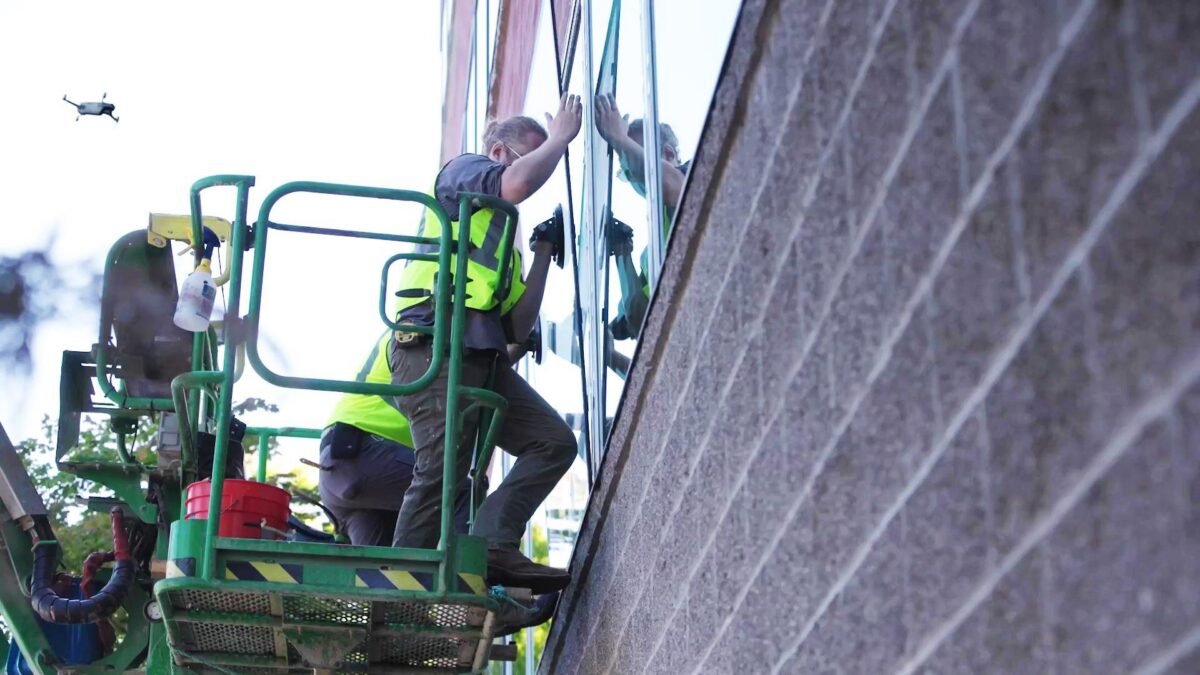
INOVUES’ groundbreaking technology significantly enhances the thermal and acoustic performance of existing windows and glass facades without the need for costly and disruptive demolition and replacement. This provides up to 10X faster payback and higher ROI. The non-invasive retrofits offered by INOVUES can save building owners up to 40% in energy consumption and reduce greenhouse gas emissions by up to 30%. Additionally, they provide up to 70% exterior noise abatement. The extent of these improvements depends on the specific INOVUES retrofit system and glass options chosen, ensuring a tailored approach to address each building’s unique challenges and requirements.

QEA Tech — a premier drone energy audit technology based in Canada with projects globally — shares a mission to assist building owners in recovering up to 51% of energy loss through the building envelope. Leveraging drones equipped with infrared cameras and proprietary AI-powered software, QEA Tech performs comprehensive building envelope analysis, accurately identifying issues, quantifying energy losses, and calculating associated greenhouse gas emissions. The company then provides actionable retrofit recommendations to optimize energy efficiency.

According to Peyvand Melati, CEO of QEA Tech, “Our data-driven approach empowers building owners to quantify energy losses through their building envelope with utmost precision. This enables them to make informed and targeted retrofit decisions that maximize return on investment.”

INOVUES and QEA Tech initially crossed paths through Upward Labs, a startup growth accelerator and venture fund. The two companies were selected for Upward’s inaugural Net Zero Lab cohort in 2022 and count E8 Ventures among their early investors. Both are also proud members of the NYC Accelerator, a program of the Mayor’s Office of Climate and Environmental Justice.

For more information on INOVUES’ non-invasive window and facade retrofit technologies, please visit www.inovues.com. To learn more about drone and AI-enabled building energy audits and recommendations by QEA Tech contact us.

ABOUT INOVUES

INOVUES makes existing buildings more energy-efficient and sustainable through a range of non-invasive insulating glass retrofit solutions. The company’s patented technologies are engineered to integrate the latest glass innovations; are quick and easy to install; and do not require any removal, replacement, or disruption to normal building operations. INOVUES offers building owners and managers a high-ROI, low-carbon path to save up to 40% on energy consumption, improve indoor thermal and acoustic comfort, and increase the value and sustainability of their buildings. More information on the five-year-old, venture-backed company can be found at www.inovues.com.

ABOUT QEA Tech

QEA Tech conducts detailed building envelope energy audits using drones and thermography. The company’s proprietary AI-backed software analyzes thousands of thermal and high-resolution images for each building to pinpoint issues down to inches, quantify energy loss and GHG emissions from each envelope element, and provide payback and ROIs associated with retrofits. With QEA Tech, building owners can zero in on specific faults in the building envelope and make data driven decisions on targeted retrofits that save up to 51% of energy loss and maximize ROI. QEA Tech has completed over 500 building audits across North America and Europe including commercial, residential, industrial, and healthcare facilities in the last four years.

Unlocking building energy savings through the building envelope

The building envelope refers to the outer shell or skin of a building, separating the interior and exterior environments. It serves as a barrier against heat, cold, moisture, noise, and air infiltration. The components of the building envelope, such as insulation materials, windows, and doors, determine the energy efficiency and overall performance of the structure.

Several studies identified saving potentials from the building envelope in European countries in the range between 75% and 80% (Hummel et al, 2021). Of the annual air conditioning heating energy consumption of public buildings, there was about 50% consumed by the heat transfer of the building envelope (Feng et al, 2016). Studies have also shown thermal insulation can reduce buildings’ energy consumption up to forty percent (Abdelhafiz et al, 2022). Below are some critical aspects of the building envelope.

Thermal Insulation: Preserving Comfort, Reducing Energy Demand

Insulation materials, like fiberglass, cellulose, or foam, act as barriers to heat transfer, preventing unwanted heat gain in summers and heat loss during winters. By minimizing the need for heating and cooling, effective insulation significantly reduces energy consumption, leading to substantial cost savings for building owners and occupants.

Air Sealing: Guarding Against Energy Loss

Air leakage through cracks, gaps, and poorly sealed joints can lead to significant energy loss. Airtightness is a crucial aspect of the building envelope, as it prevents uncontrolled air movement, enhancing the effectiveness of insulation and reducing the load on HVAC systems. By minimizing air infiltration, buildings can maintain more stable indoor temperatures, reduce the workload on mechanical systems, and save energy.

Windows and Glazing: Harnessing Natural Light and Passive Heating

Windows, an integral part of the building envelope, provide natural light, ventilation, and a connection to the outside world. However, they can also be a significant source of heat gain or loss. Energy-efficient windows with low-emissivity coatings, multiple panes, and insulating gas can greatly reduce heat transfer, enhancing both comfort and energy savings.

Solar Reflectance and Thermal Mass: Controlling Heat Gain

The building envelope’s design can incorporate materials with high solar reflectance to minimize the absorption of solar radiation, reducing the cooling load on the building. Additionally, thermal mass materials, like concrete or stone, absorb and store heat during the day and release it slowly at night, aiding in maintaining stable indoor temperatures and reducing the reliance on mechanical cooling systems.

Moisture Control: Mitigating Energy Loss and Building Damage

Moisture infiltration can degrade insulation, promote mold growth, and compromise the structural integrity of the envelope. Effective moisture management through vapor barriers, weather-resistant coatings, and proper drainage systems ensures that the building envelope remains dry, reducing the risk of energy loss and potential long-term damage.

Overall, the building envelope is a critical line of defense against energy loss and environmental elements, making it an essential aspect of any sustainable building design. By focusing on the design, materials, and construction techniques of the building envelope, we can unlock significant energy savings, reduce carbon emissions, and enhance occupant comfort. Investing in energy-efficient insulation, high-performance windows, air sealing, solar reflectance, and moisture control measures can lead to substantial long-term benefits for both the environment and building.

QEA Tech receives seed funding of $2.2M to accelerate its global growth

QEA Tech, a Markham-based AI software start-up in the clean tech and property tech sectors has raised seed funding of $2.2M. The funding round was led by Clean Energy Venture Group (CEVG) and was supported by Avesta Fund, E8 Ventures, Upward Labs, and the Ontario Centre of Innovation (OCI). 

The capital raised by QEA Tech will be used towards driving growth in North America and beyond. 

Founded in 2019, QEA Tech conducts building envelope audits, identifying issues throughout the building envelope, quantifying  energy loss and GHG emissions, and providing the ROI of retrofits. In the last 3 years, QEA Tech has delivered over 500 projects in North America. 

“Our technology provides unparalleled insights on the building envelope to property managers and building managers. These insights enable managers to make data-driven decisions on capital-intensive projects such as deep energy retrofits, the commissioning of new buildings, and measurement and verification. The support of CEVG, Avesta Fund, E8 Ventures, Upward Labs, and OCI will give us more momentum to help grow our customer base and deliver more value to our clients.” 

– Peyvand Melati, CEO, QEA Tech 

“Clean Energy Venture Group believes that tackling GHG emissions from the built environment is core to the climate fight. We are committed to helping QEA Tech expand its market and enable building owners and operators to identify and take action to plug their energy leaks from their building envelopes.  We look forward to working with the management team on strategy, finance and market opportunities as they grow beyond their home base of Canada.”  

– John Harper, Executive Managing Director of CEVG 

Site logo

QEA Tech is an industry expert in building envelope audits through its proprietary software. QEA Tech supports commercial, residential, and industrial building managers in running sustainable and efficient operations and maximizing their buildings’ life expectancy. Using drones equipped with infrared cameras, QEA Tech captures thousands of data points on a given building. QEA Tech then processes the data points using its proprietary software to pinpoint issues and quantify the energy losses from the building envelope and provide data-driven recommendations. Building managers are able to zero in on specific faults in their building envelope and make data-driven retrofit decisions and capital plans based on ROI projections.

Clean Energy Venture Group is an angel investment group investing in early-stage climate tech startups. Founded in 2004, CEVG partners include senior operating executives, successful founders, former federal regulators, and energy and environmental industry experts. With over sixty investments, CEVG offers deep industry experience, a wide network, and a long track record of successfully finding, mentoring and scaling early-stage companies.

Avesta Fund is a seed-stage venture capital firm focused on the defining challenges of our generation – climate change and inequality – while prioritizing diverse entrepreneurs. Solving humanity’s biggest problems can provide superior financial returns. Tech-enabled companies can have a significant impact at scale but tech companies and impact investors largely live in different worlds. Avesta can bridge these worlds to harness the tech world toward positive impact.

E8 is a member organization of private, accredited angel investors. Their sole focus is on early-stage cleantech companies whose innovations will increase the sustainability and health of our planet. “We meld our pursuit of profitable investments with our pursuit of a higher purpose – accelerating the transition to a cleaner future and a better world. Our members, whether seasoned investors or new angels with a desire to learn, gain access to quality deal flow and the tools for successful investing. Cooperative due diligence, a powerful business network, and relevant, timely education allow members to make individual investment decisions, and to build a unique and diverse portfolio that matches their interests and goals.”

Upward Labs is a Startup Lab and Venture Fund that developed the ideal ecosystem to fast-track startups. In the last four years, they have developed a program where startups and early-stage companies receive the insight and feedback necessary to position their company competitively in the market while exploring pathways to commercialization with large, respected enterprises. Since its inception in 2018, Upward Labs has grown to 33 portfolio companies, 50+ enterprise partners, 60+ successful pilots, numerous commercialization, and over $100 million in capital raised by its portfolio companies. Upward Labs has worked hand in hand with leading Fortune 500 organizations.

The Ontario Centre of Innovation (OCI) maximizes the commercial impact of research developed in Ontario’s colleges, universities, and research hospitals, and accelerates the commercialization of Made-in-Ontario technologies. A pan-provincial collaboration platform, with a broad and deep network across industry, academia, and government, OCI initiates unparalleled partnership opportunities, develops and manages successful industry-academic collaborations, supports high-potential SMEs in commercializing ground-breaking research, and provides hands-on training and skills development opportunities for the next generation of highly-skilled talent.

QEA Tech is selected as the vendor of choice to complete Infrared Thermography Imaging audits of 15 buildings for the City of Ottawa

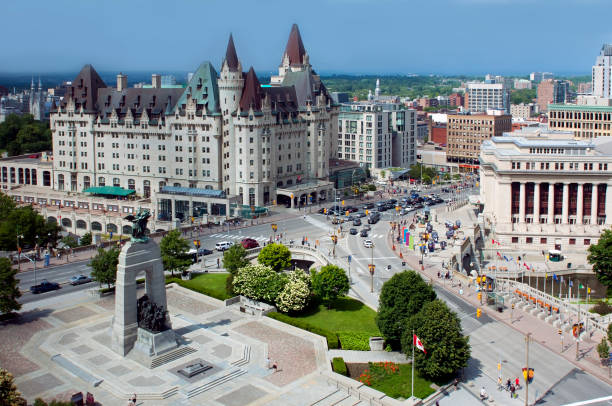
The City of Ottawa released a Request for Proposal (RFP) for a complete Infrared Thermography Imaging audit of 15 buildings on February 16, 2022. After a competitive process, QEA Tech was selected as the vendor for the project.

The project will help advance the City of Ottawa’s goal of reducing the energy intensity and GHG emissions of its building portfolio. The City identified 15 buildings with high energy consumption as a function of operation and surface area.

The project objectives are to help identify the problem areas in the building through infrared thermography, determine thermal resistivity values for the envelope elements, calculate annualized energy loss and GHG emissions, and estimate the cost of repair.

QEA Tech is a leading specialist in the analysis of building envelopes and energy consumption. The company is equipped with a fleet of industrial drones that conduct thermal scans of buildings within 1-2 hours. QEA Tech’s patented software analyzes thousands of data points to pinpoint and quantify energy loss. The City of Ottawa will receive a full analysis of its building envelopes and their elements (wall, window, door, and roof) including emissivity, thermal resistance (R-Value), and thermal transmittance (U-Value).

“Our proprietary technology will enable the city to make data-driven decisions and promote the retrofit economy that cuts pollution and creates green jobs. Our competitive advantage is that we are much faster and economical than the next best available option and this advantage scales with the complexity of the project.”- Peyvand Melati, CEO, QEA Tech

About QEA Tech

QEA Tech conducts precise, data-driven building envelope audits using patented AI software, drones, and thermography. A pioneer and market leader in AI-driven envelope analytics, QEA Tech delivers audits that are fast, cost-effective, and non-intrusive. QEA Tech’s audits quantify energy loss and forecasted savings for each square inch of the building envelope, pinpoint envelope issues down to inches, and deliver targeted retrofit plans that maximize energy savings and ROI.

QEA Tech Accepted into the NYC Accelerator Service Provider Program

QEA Tech is thrilled to announce that we have been accepted into the NYC Accelerator Service Provider Program. As part of NYC Accelerator, QEA Tech will be plugged into the New York market and have the opportunity to contribute to the decarbonization of the city.

QEA Tech aligns strongly with NYC Accelerator’s mission and vision. With the proliferation of local sustainability laws, especially Local Laws 11 and 97, and other drivers of GHG reduction in New York, QEA Tech is excited to empower local building managers and owners with in-depth, AI-enabled analysis and data-driven insights to make significant reductions in GHG emissions.

To accelerate New York’s transition to carbon neutrality by 2050, the NYC Mayor’s Office of Climate & Environmental Justice is educating the building industry about the resources available to facilitate a smooth transition. From real estate to service providers, to building decision-makers and occupants, they are connecting multiple stakeholders to achieve this goal.

New York City represents a significant opportunity for QEA Tech to work with local thought leaders and industry experts toward setting new standards and industry benchmarks globally. New York City’s nearly 1 million buildings generate about 73 percent of its GHG emissions. QEA Tech’s audits provide an unprecedented level of data and actionable insights into building envelopes, further enabling deep energy reductions and integrated improvements to heating and cooling systems and building exteriors.

“QEA Tech is proud to be part of NYC Accelerator and excited to support NYC on its decarbonization journey. Our solution is now more relevant than ever before, as we not only identify the problematic areas in the envelope but also give our clients the precise calculations of energy and money lost by not addressing the issues. Our technology will help prioritize building upgrades and accelerate NYC’s mission.”- Peyvand Melati, CEO of QEA Tech.

About NYC Accelerator

NYC Accelerator is decarbonizing NYC’s building stock to help our city achieve carbon neutrality by 2050. NYC Accelerator provides resources, training, and one-on-one expert guidance to help building owners and industry professionals improve energy efficiency and reduce carbon emissions from buildings in NYC. Since 2015, our team of experts has provided free assistance to over 9,000 buildings — boosting energy performance and savings, improving air quality and comfort for occupants, and helping building owners comply with local laws and avoid fines. NYC Accelerator is sponsored by the NYC Mayor’s Office of Climate and Environmental Justice.

About QEA Tech

QEA Tech is driving the future of building envelope energy audits by providing fast and non-disruptive audits. We use industrial drones equipped with HD thermal and visual cameras to capture thousands of images of your building. These images are analyzed and processed through our proprietary software to quantify the energy loss through the building envelope. Our patented technology and analytics deliver data-driven insights along with remediation cost estimates. These can further be used to create an investment-grade roadmap to prioritize retrofits.

Building Envelope Retrofits: Revitalizing Existing Buildings

The building envelope is the part of a building that separates the outside climate from the interior, providing shelter and performing as a protective membrane over the main structure. The building envelope has an important obligation; it helps keep occupants dry, warm, or cool, can help in controlling noise and odors from the exterior, provides safety and security, and it is essential for maintaining suitable indoor air quality. It needs to perform all the aforementioned roles while also creating curb appeal and maintaining an aesthetically pleasing appearance.

What does the Building Envelope Include?

The building envelope components include the materials that comprise the foundation, wall assembly, roofing systems, glazing, doors, and any other penetration separating the interior and exterior. The connections and compatibility between these elements are also a critical part of ensuring that the building envelope functions as intended. An envelope must properly maintain control of the heat flow, moisture flow, and airflow while providing structural integrity and shelter from the rain, snow, hail, wind, dust, pollutants, allergens, and pests. A system’s ability to achieve these tasks is what classifies a high-performance and low-performance building envelope.

Impacts of Building Envelope Deficiencies

Any deficiencies in the envelope system’s performance may impact the overall building performance and subsequently the energy usage/carbon footprint of the building. Unsatisfactory insulation levels will compromise the ability to regulate heat flow, which will reduce occupant comfort and will cause the HVAC system to work harder. Gaps, cracks, and holes in the envelope will result in uncontrolled air leakage which will cause the conditioned air to escape through the roof and walls, creating an unwanted extra load on the HVAC system. Undesirable temperatures and humidity levels may occur and moisture vapor transfer through the envelope will result in moisture-related damage and premature deterioration of building materials. A leaky roof, defective rain screen, or failed window frame can let water enter the building, sometimes in substantial quantities which may cause structural damage, mold, mildew, or other threats to indoor air quality and occupant health.

Retrofitting the Building Envelope

Retrofitting or restoring building performance for an existing commercial building envelope might entail adding insulation, sealing air leakage paths, replacing windows, installing a new roofing system, or any combination of these tactics which will be discussed further. There are many high-performance products available to choose from, all enhanced by chemistry and new technological advancements.

Prior to commencing any sort of retrofit strategies, it is first important to identify the existing problems in a building envelope, either commercial or residential. A popular and non-invasive method that has recently commercialized the market is Infrared Building Envelope Inspections. These are fast, accessible, and efficient means of examining building envelope efficiency using an infrared camera that detects anomalies through temperature fluctuations. These assessments are typically performed on the exterior of the building at sufficient interior and exterior conditions. With an adequate temperature difference between the interior and exterior of the building at the time of assessment, undesirable energy losses through the envelope can be identified. This strategy can help determine whether targeted retrofits or full deep energy retrofits will be required to upgrade the building under investigation. Once these inspections have been performed and breakdowns of retrofit strategies have been reviewed by the building-owner, the rehabilitation project can begin.

Targeted vs Deep Energy Retrofits

There are several types of deep energy retrofit options available for a building, however, focusing on the building envelope, there is typically an option to choose between a deep energy building envelope retrofit, a targeted retrofit or a hybrid option. After identifying the components and points of weakness in the envelope, a cost analysis is performed to access the lifespan, rehabilitation project cost and potential future energy savings against different repair options. A targeted rehabilitation approach is the cheaper option that focuses on repairing specific areas of weakness that were determined during the assessment stage. This approach typically requires continuous upgrades and component reviews throughout the lifespans of the building. Replacing or repairing individual windows, fixing sealant joints and replacing specific damaged roofing areas are some examples of targeted rehabilitation strategies.

A deep energy retrofit on the other hand, consists of an extensive whole-building analysis and construction process aimed at reducing a building’s energy use by at least 50% compared to a historical baseline and usually includes envelope upgrades as part of the retrofit. Focusing on the envelope, a deep energy retrofit usually consists of a full replacement of the building envelop components minus the structure of the building. A deep energy retrofit of the building envelope focuses on redesigning the system to increase its performance which will in turn reduce energy usage bills in the building and increase the lifespan of the construction. The main approaches when dealing with a full-scale envelope replacement is to address the following items: Insulation and thermal bridging, Air tightness and infiltration, glazing and solar shading. These are the main aspects of an envelope that will determine how energy within in a building is being stored and controlled.

The design stage for the retrofit is a complex and important part of the process. While maintaining the existing structure of the building the envelope members must be redesigned accordingly taking into consideration the thermal and hygrothermal performance, air and water control, sound control and aesthetic appeal. The connection and detailing of the new joints must be carefully designed in order to have effective and long-lasting control of external factors. This building envelope redesign process is similar to a new build design, however there are existing factors that must be taken into consideration. The building tenants and their comfort during construction must also be considered. While this process is expensive and timely, there have been many case studies in Canada and other cold climates that show successful deep energy building envelope retrofits.

It is important to remember that while the envelope plays a crucial role in the energy efficiency of the building, it is the entire building function that needs to be considered together as a living unit. Other aspects including HVAC function in accordance with the envelope and should also be evaluated during a deep energy retrofit project. The envelope, however, has been shown over the years to be one of the leading areas of concern and is crucial to investigate when looking at improving energy efficiency of a building and pushing for a more sustainable future.

The Case for Building Reuse and Retrofitting

Affordable housing is another challenge that has affected major cities like Toronto, Vancouver, and New York. The time it takes for a new house development to get from approval to market is too long which is a challenge for the increasing demand of affordable housing. One method of helping speed up the procedure is to direct focus towards restoring, retrofitting and or reusing existing buildings as discussed in this reading. Upgrading, maintaining, or reusing an existing building structure for a rehabilitated use is normally less expensive than demolishing and constructing a new building. These approaches are far better for the environment and leave a smaller carbon footprint if executed properly. Many in the industry are also calling for governments to invest in green retrofits as part of post-COVID stimulus funding. There has also been a call on governments to provide financial assistance to not-for-profit, multi-residential buildings, and calls for retrofits for affordable housing strategies.

Accelerating deep energy retrofits will depend on financial incentives at both the national and local level. Establishing renovation programs for owners, property investors, and occupants to recover some or all of the costs of the project will speed up the adoption and maximise the savings available over the medium- and long-term. Multiple countries and cities are already following this approach. In Canada, The Trudeau government has committed $2B to large-scale building retrofits that drive energy efficiency and sustainable communities. In order to meet Canada’s 2030 GHG emissions reduction it is crucial that the energy usage of building stock be addressed. It is the existing buildings that are in need of attention.

Looking for a quick envelope assessment? Perform a quick and easy non-intrusive Infrared envelope assessment to get an idea of how well energy is being stored and controlled in your building. This is the first and easy step towards a greener and brighter future.

About the author

David Gertsvolf

David has dedicated his career to the Building Science Industry. He holds two Architectural Diploma’s, a Bachelor’s degree in Building science, and is currently studying in the Master’s of Applied Science in Building Science Program at Ryerson University. Through his research, studies, and industry experience David seeks to drive the field of construction to a greener and brighter future. David is a passionate and hard working individual who is excited to thrive as an industry professional and contribute to a growth in sustainable construction.

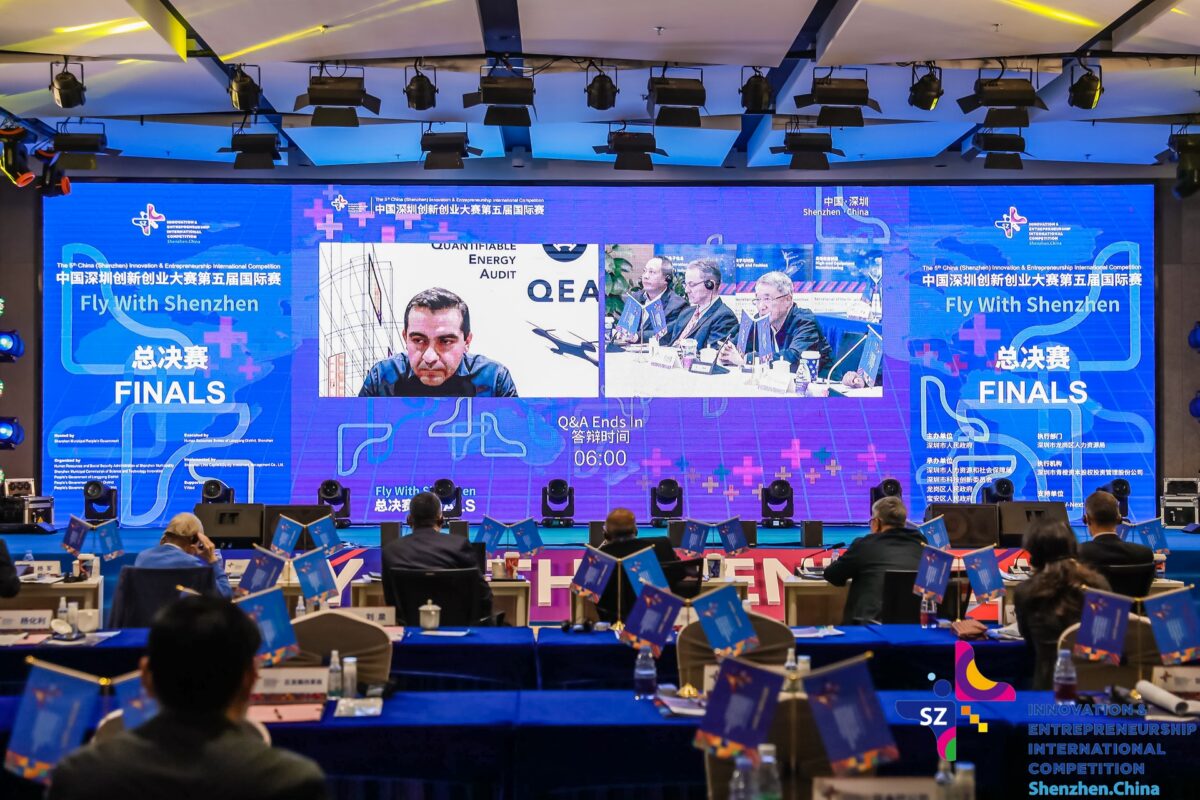
QEA Tech Shines at the Shenzhen Innovation & Entrepreneurship Competition

QEA Tech – a Markham-based climate-tech & energy audit startup won a prize of USD 64,500 at the 5th Sci Innovation Competition and its global session Shenzhen Innovation & Entrepreneurship Competition. QEA Tech placed 3rd amongst 189 enterprises from Canada, the US, Australia, Japan, Israel, the UK, Germany, Spain, Netherlands, and China.

Sci Innovation Centre and Canada Confederation of Shenzhen Associations organized the Sci Innovation Competition for the 5th year in a row in Canada.  In total, 189 companies participated in its global session, Shenzhen Innovation & Entrepreneurship Competition, co-hosted by Sci Innovation Centre and nine other institutions in Europe, Asia and the US.

QEA Tech won a Canadian divisional 3rd Place Prize – $4500, a 2nd Place Prize in the Digital Economy sector – $15,000, and a 3rd Place Prize in the Grand Finale- $45,000. The Canadian Delegation won a total of 20 prizes adding up to C$450,000.

‘We extend our gratitude to Sci Innovation for leading the Canadian and US delegations and organizing the event seamlessly. As an industry disruptor, QEA tech will continue to create immense value for all its stakeholders and advance the mission of greening the built environment. The platform provided by Sci Innovation through this competition has helped us introduce our novel and innovative technology globally. The prize money will be used towards amplifying our product awareness initiatives and scaling up gradually.’ – Peyvand Melati, CEO, QEA Tech

About QEA Tech

QEA Tech is an industry expert in energy audits that uses highly customized and proprietary technology to assist commercial and residential building managers and owners in running sustainable and efficient operations and maximizing their buildings’ life expectancy. Using drones equipped with IR cameras, QEA Tech collects reliable data about energy losses due to building envelope failures, and using our patented software, QEA Tech uses AI to quantify losses for further analysis of return on investment. The audit’s most vital aspect is the precision and technology used to provide customers with a data-driven energy loss assessment, allowing for informed decisions on the next steps in repairing and maintaining your assets.

QEA Tech secures funding of $1.1M from Sustainable Development Technology Canada

QEA Tech – a Markham-based climate-tech startup that combines drone inspections with artificial intelligence to conduct building envelope audits, has announced funding of $1.1 million from Sustainable Development Technology Canada (SDTC).

The announcement comes as part of a series of $44.3 million in strategic investments by SDTC (announced this month by the Honorable François-Philippe Champagne, Minister of Innovation, Science and Industry) in eleven Canadian climate-tech  companies to help accelerate their global growth.

With the help of its five industry partners, QEA Tech will take on projects worth $2.6 million to improve the energy efficiency of buildings and infrastructure in the already built environment, an essential component of transitioning into a ‘Low Carbon Society’. 

The company’s novel technology of quantifying energy losses through the building envelope helps building managers and owners to make reliable, data-driven decisions while prioritizing retrofits. Its fast, non-disruptive, comprehensive reporting systems along with sophisticated inspections and 3D model-generation capabilities provide users with a sustainable edge in the industry.

Rectifying the anomalies in the building envelope can help recoup up to 51% of energy loss in the building. The available methods in this industry are either inefficient or capital intensive in pinpointing these energy losses. QEA Tech’s state-of-the-art technology can help stakeholders tackle this issue and embrace a holistic and long-term approach.

“We extend our thanks to SDTC and the Government of Canada for supporting QEA Tech’s mission to help property owners and managers embrace a holistic and data-driven approach to building retrofit projects and reduce their GHG emissions. This funding provides QEA Tech access to a large portfolio of buildings across the country, helping us unlock major data collection opportunities and scale up much faster in Canada and globally.”

-Peyvand Melati, CEO, QEA Tech.

About QEA Tech

QEA Tech is an industry expert in energy audits that uses highly customized and proprietary technology to assist commercial and residential building managers and owners in running sustainable and efficient operations and maximizing their buildings’ life expectancy. Using drones equipped with IR cameras, QEA Tech collects reliable data about energy losses due to building envelope failures, and using our patented software, QEA Tech uses AI to quantify losses for further analysis of return on investment. The audit’s most vital aspect is the precision and technology used to provide customers with a data-driven energy loss assessment, allowing for  informed decisions on the next steps in repairing and maintaining your assets.

About SDTC

Sustainable Development Technology Canada (SDTC) helps Canadian companies develop and deploy competitive, clean technology solutions, to help solve some of the world’s most pressing environmental challenges. As an independent federal foundation and flagship program, SDTC’s funding of Canadian entrepreneurs has created jobs, growth, and long-term prosperity for Canada. Their initiatives throughout Canada are helping upcoming and existing organizations to interoperate horizontally and deliver better efficiencies.