Pioneering AI-Powered Building Envelope Audits: Reflections from a Serial Energy Entrepreneur

In 2019, Peyvand Melati founded QEA Tech (QEA). As a serial entrepreneur of climate focused companies, QEA, Melati’s third-energy focused software venture, focuses on improving existing buildings which are responsible for 40% of global energy consumption. His goal was to transform building envelope efficiency through cutting edge technologies including artificial intelligence (AI), drones, and thermography.  

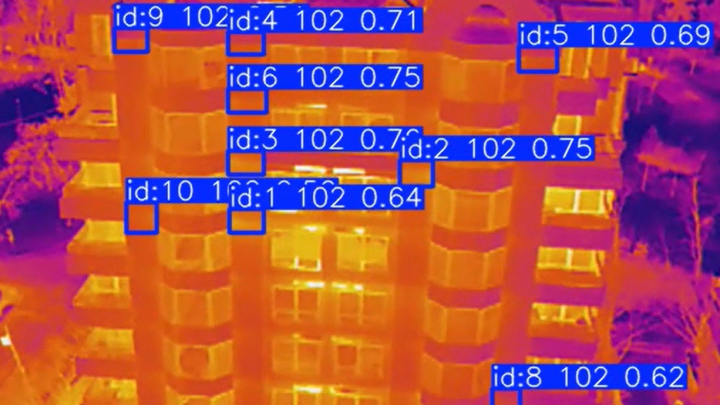
The building envelope – the physical separator between the conditioned internal environment and the external environment – was generally viewed as immutable without considerable investment and reconstruction. Prior to QEA, the standard inspection method involved walkthroughs with handheld thermal cameras, which provided limited visibility and effectiveness in diagnosing building envelope issues. However, with drone and AI technology, Melati believed that these non-invasive technologies could capture precise and actionable data on the building envelope, opening the door to targeted building envelope retrofits which improve building efficiency and contribute toward sustainability goals without necessitating major reconstruction.  

The Early Days of Auditing: Shutting Down Streets and Police Detail

As the pioneer of drone and AI-based envelope auditing, QEA initially faced skepticism within the industry. Stakeholders questioned both the practicality and safety of drone inspections, viewing them as risky, unproven, and disruptive to public spaces. 
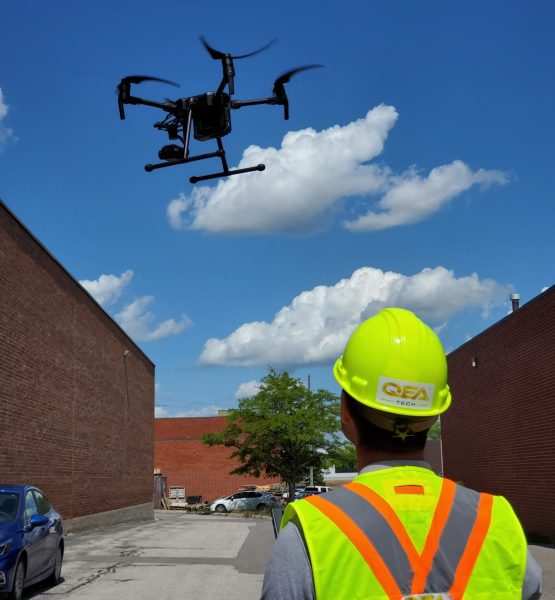
Early Days Operations (2019)
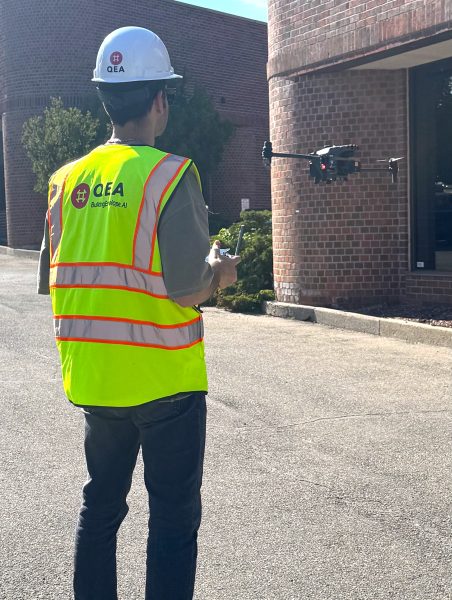
Present Day Operations (2025)

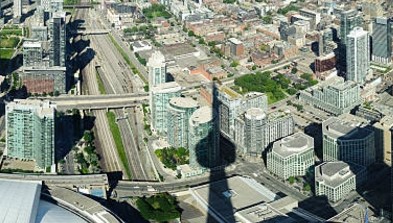
Melati recalled one of the earliest and most public demonstrations of QEA’s innovation involved shutting down one of the busiest streets in Toronto, complete with police detail and complex coordination with local authorities. The drone, which was 4 ft by 4 ft, caught the attention of passerby and sparked both curiosity and concern. Although the operation garnered much attention, it proved the utility and potential of drone technology to be an effective approach to building envelope auditing.  

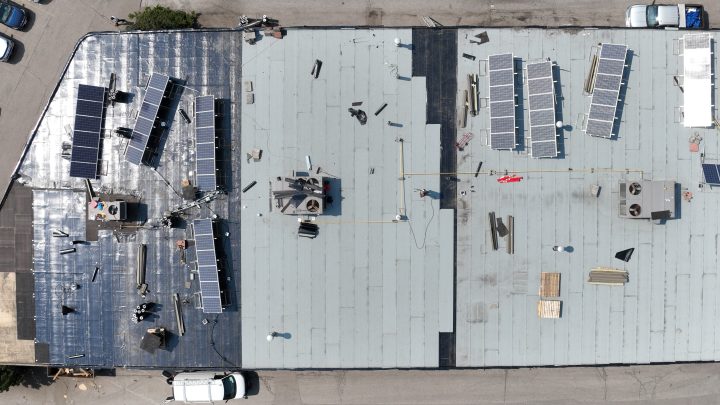
QEA now uses much smaller drones, projects require less logistical coordination, and flights rarely attract the attention of people in the area. Drone technology has become the industry standard for comprehensive, scalable building envelope assessments.  

Detecting the Undetectable: Proving Value and Market Acceptance 

A key early moment that validated QEA’s innovative approach to major real estate owners and the industry at large involved the discovery of hazardous ice accumulation hidden in the façade of a large commercial building. Unlike previous inspection methods, QEA’s drone-based inspection captured thousands of thermal and visual images, and its patented software provided a granular level of detail in the analysis of the captured images. The façade issue would have been undetected by previous inspection methods, proving the quality and value of QEA’s precise methodology.  

Similarly, for another building, a QEA audit identified an abnormal heat spot on the roof. The audit sparked an investigation into the heat source, which found a disconnected duct that was previously unknown to the building management and explained the building’s excessive energy bills due to the stress on the heating and cooling system. QEA’s audit identified a fix to this issue that was straightforward, inexpensive, and led to substantial long-term energy savings.  

Better Drones and Better Analytics: Six Years and 700 Buildings Later

In its early history, QEA committed substantial resources to developing sophisticated, quantified analytical capabilities. Infrared imagery AI analysis requires an expansive dataset to develop the unparalleled level of precise detail that QEA provides today. It took nearly two years of intensive dataset development and approximately 150 buildings by 2022 to generate QEA’s highly accurate analysis capabilities. QEA’s extensive and proprietary dataset collected from hundreds of buildings leads the industry in offering unmatched and reliable insights into thermal abnormalities and building envelope performance.  

Further, QEA’s drones today are smaller, more agile, and equipped with advanced sensory arrays which enhance their stability, reduce risk, and improve the quality of data captured during inspection. Coupled with  proprietary IoT sensors, QEA scans identify a wide array of envelope issues at sub-inch levels.  

As QEA tops its 700th project, QEA’s AI-powered analytics are backed by its leading dataset on the building envelope and continually improve the unrivaled precision of quantified diagnostics at the industry’s leading level of accuracy. Further, QEA has patented its energy quantification methodologies and specialized AI models for detecting envelope anomalies, reinforcing the company’s leadership and technical expertise.  

Topping 1000 Buildings: From Diagnostics to Targeted Action Plans

QEA’s industry expertise and precision data led to the second phase of its product: comprehensive retrofit recommendations.  QEA audits now include detailed diagnostic assessments, actionable and specific retrofit recommendations, and projected energy savings reports, making the technology not only valuable for understanding the building envelope at a highly detailed level, but crucial for informed decision-making and strategic action in building management.  

Reflecting on QEA’s evolution, Melati highlights that while diagnostic excellence remains essential, the ultimate objective is to drive tangible results in the built environment—measurable energy conservation and decarbonization. QEA’s emphasis on actionable insights reflects its broader commitment to global sustainability objectives and environmental protection.  

Today, QEA has established itself as the global leader in data-driven building envelope assessments. Having completed projects for more than 60 clients in North America, the UK, Europe, and Asia, QEA will soon surpass a landmark 1000 buildings audited. Since 2019, many drone-based inspection services for various use-cases have emerged. However, QEA maintains the first-mover advantage. The company is distinguished by its speed, non-invasiveness, and comprehensive accuracy, delivering precise, quantified insights that directly support targeted energy efficiency improvements. With the largest thermal dataset on building envelopes in the world and a first-of-a-kind experience alongside proprietary industry knowledge, QEA ensures its edge over other building envelope solution providers.  

Interested in receiving detailed and actionable insights to improve building envelope performance? Contact QEA Tech for a free quote.

Unlocking Sustainable Success: How QEA Tech Helps Achieve BOMA BEST

Sustainability is essential to optimizing building performance, ensuring efficiency and comfort. However, navigating how to effectively implement building sustainability measures can be overwhelming, with an abundance of different green initiatives and solutions to focus on. The BOMA BEST program is helping to ease this process for building owners and managers, offering a clear framework on how to assess and improve sustainability for all building types. Managed by the Building Owners and Managers Association (BOMA), BOMA BEST encourages smart, sustainable solutions for existing buildings. Since its launch in 2005, BOMA BEST has grown into North America’s largest environmental assessment and certification program for existing buildings.

Who Can Apply?

To be eligible for BOMA BEST certification, a building must have been operational for at least 12 months. The program covers a broad range of commercial building types including:

1. Office Buildings

2. Enclosed Shopping Centres

3. Health Care Facilities

4. Light Industrial Properties

5. Multi-Unit Residential Buildings

6. Open-Air Retail

7. Universal

Two Paths to Certification: BOMA BEST Sustainable vs Smart

BOMA BEST Sustainable

This stream focuses on the environmental and operational sustainability of a building. Promoting the continuous improvement of building operations and maintenance, it guides owners and operators on how to decarbonize, reduce water and waste, retrofit, and prepare against climate risk. Certification is achieved through a structured questionnaire that covers:

1. Energy and Carbon

2. Water

3. Indoor Air Quality & Hazards

4. Accessibility & Wellness

5. Custodial & Waste

6. Resilience & Site Planning

💡 How QEA Tech Can Help

QEA Tech has a strong track record for helping clients achieve the energy and carbon related requirements of this certification. Detailed and accurate data on the energy consumption and carbon emissions of a building is essential to achieving this certification with the completion of building envelope assessments, deep energy and carbon retrofit studies, quantification and benchmarking of carbon emissions, and third-party certification of a building’s energy use and carbon emissions being required. The implementation of low-cost envelope retrofits and evidence of improved energy efficiency due to these measures is also necessary for full certification. QEA Tech’s AI-powered building envelope audits can play a critical role in helping buildings achieve the BOMA BEST Sustainable certification by offering:

Proprietary AI-driven assessments that deliver precise data on energy loss, carbon emissions, and actual effective U-values for the entire building envelope.

Exact identification of a wide range of building envelope issues.

Custom, tailored retrofit recommendations with details on potential energy savings, implementation cost, and payback periods.

Post-retrofit verification audits to provide evidence of improved energy efficiency and reduced carbon emissions.

BOMA BEST Smart

As buildings embrace new and innovative technologies, BOMA BEST Smart was created to guide the digital transformation of buildings, supporting the integration of intelligent systems to drive sustainability, enhance tenant experiences, and deliver better financial value.

Focus areas included in the questionnaire for this certification include:

1. Security and Safety

2. Operations and Management

3. Network and Systems Integration

4. End-User Experience

5. Reporting and Analysis

💡 How QEA Tech Can Help

QEA Tech supports deliverables required for the Smart certification by providing:

Energy efficiency analytics and reporting related to building envelope energy loss.

Carbon emissions reporting, detailing the total carbon emissions for each building envelope element as well as the total amount of preventable emissions throughout the envelope.

QEA Tech’s use of AI software and drones allows for our audits to be highly scalable and non-intrusive, allowing for building owners to meet the sustainability reporting requirements for their portfolio efficiently and cost-effectively.

Understanding the Levels of Certification

BOMA BEST awards certifications based on a building’s performance across several benchmarks. The better a building performs on the detailed questionnaire, the higher the level of certification it can achieve. Certifications range from:

Baseline: 0%–29% of questionnaire requirements completed.
Bronze: 30%–59% of questionnaire requirements completed.
Silver: 60%–79% of questionnaire requirements completed.
Gold: 80%–89% of questionnaire requirements completed.
Platinum: 90%–100% of questionnaire requirements completed.

Baseline practices (minimum requirements for all buildings) must be met to achieve any level of certification. There are 12 baseline practices for the Sustainable Buildings Certification and 5 baseline practices for the Smart Buildings Certification, with baseline practices being listed at the beginning of each respective questionnaire.

Next Steps for Pursuing BOMA BEST

Whether you’re focused on cutting costs, digitizing building operations, or achieving sustainability goals, BOMA BEST provides guidance on the steps necessary to achieve optimal building performance. Contact QEA Tech to learn more about how we can support your BOMA BEST certification and get a free quote on a building envelope audit.

How Energy Audits and PropTech Help Utilities Tackle Climate Change

The Growing Demand for Electrification Globally

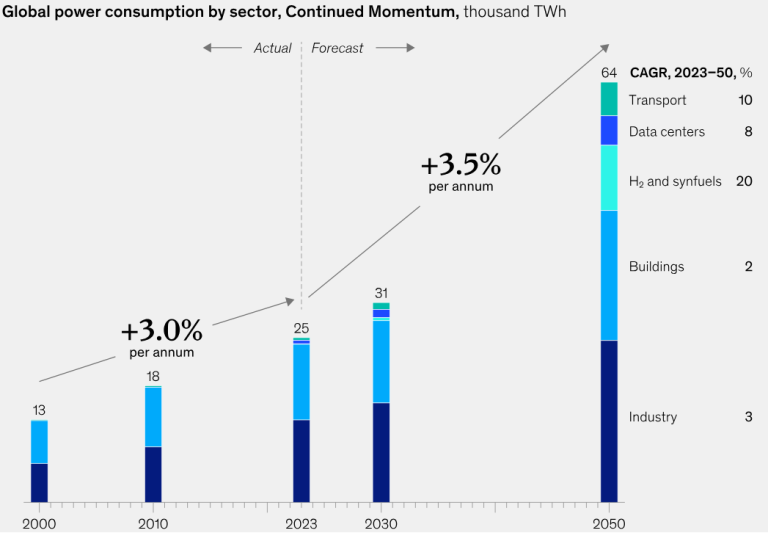
Demand for electricity is accelerating at a staggering rate, with electricity consumption expected to almost triple in some scenarios between now to 2050.

Source: McKinsey & Company

According to the World Economic Forum, the rise in demand is driven by economic activity, increasing use of air conditioning due to frequent and intense heatwaves, and a boost in the use of technologies such as electric vehicles and heat pumps. The surge in data centers being built is further contributing to the increase in demand as they are largely powered by electricity and have constant demand, straining local grids.

Electrification from clean energy sources is also necessary to meet global decarbonization targets. To meet the International Energy Agency’s (IEA) Net Zero Emissions by 2050 goals, electricity’s share in final energy consumption needs to be almost 30% by 2030. Considering the share of electricity in final energy consumption is estimated to have reached 20% in 2023 from 18% in 2015, the rate of electrification needs to accelerate much more quickly to meet this goal.

As the push toward electrification gets stronger, utility companies are facing unique challenges in meeting the increasing demand for power. In order to stay ahead, utilities must tackle the dual objectives of generating large amounts of new, clean energy while optimizing their existing systems for maximum efficiency.

Meeting Electrification Demands Through Energy Efficiency and Clean Energy Generation

Generating more power from fossil fuels is no longer a viable solution, both for the planet and for utilities. Clean, renewable energy sources such as solar, wind, and hydro, are a key part of the solution to meeting rising electricity demand while remaining on target to achieve net zero goals. However, to ensure that clean energy sources are being implemented effectively, existing energy waste needs to be reduced. Buildings contribute to a significant portion of existing energy waste, with the operations of buildings accounting for 30% of global final energy consumption. The building envelope, what separates the interior and exterior environments, is particularly important in reducing this energy waste, with the IEA stating that high performing building envelopes are the most effective way to reduce the thermal needs of a building. Therefore, understanding the energy performance of a building’s envelope and knowing what retrofits to complete to increase efficiency is necessary in ensuring a seamless transition to clean energy sources.

However, a key challenge for utilities today is identifying inefficiencies in how energy is consumed. Energy audits that leverage innovative prop tech can help solve this challenge for utilities, making the identification of energy inefficiencies across buildings that they power a seamless and scalable process. For example, drones can be used to take thousands of thermal images across entire cities, providing utilities with ample data needed to understand key areas and sources of energy loss in an efficient manner. Additionally, AI models can be trained using data such as thermal images to effectively identify common energy loss issues within buildings, such as thermal bridging, poorly performing windows, and lack of insulation. With this data, utilities and utility customers can make more informed decisions on the retrofits they implement, optimizing energy efficiency and return on investment.

Demand Management: Preventing Grid Overload

Increases in extreme weather events—such as heatwaves, cold snaps, and storms—are placing intense strains on power grids. This requires utilities to meet growing electricity demand in a way that ensures reliability and resilience. To do this, utilities are beginning to leverage advanced technologies such as AI algorithms and internet of things (IoT) devices to manage energy demand and mitigate against grid overload. For example, cloud-based Demand Response Management Systems (DRMS) enable utilities to analyze grid loads and adjust demand in real time, reducing grid strain, preventing outages, and lowering costs. Additionally, with 5G connectivity, utilities can process large volumes of data from smart grids and IoT devices, enabling more reliable communication between grid components, improved energy distribution, and quicker responses to anomalies. AI is also transforming grid management by enabling utilities to predict, optimize, and enhance energy distribution. Through machine learning and predictive analytics, utilities can forecast demand for energy, allocate resources proactively, and improve resilience by identifying and addressing grid vulnerabilities.

Energy audits can help utilities develop better demand management strategies by identifying peak demand periods and locations. This allows them to invest in the necessary infrastructure to avoid grid overload and better manage fluctuations in supply and demand. When it comes to buildings, utilities can adopt technology, such as drones and AI systems, to efficiently collect and analyze large volumes of data that help identify peak demand periods and locations. Using the data available through energy audits (e.g. quantified energy loss for different building elements, identification of energy loss issues) utilities can gain necessary insights on where to prioritize investments that will improve energy efficiency of the buildings they power. This ensures better distribution of energy across the grid, avoids spikes on the grid caused by building occupants overworking their heating and cooling systems, and prevents outages.

Leveraging Energy Audits to Connect with Customers

The benefits of energy audits for utilities go beyond improved energy management. The precise insights energy audits provide increases the value utilities can deliver to their customers. The detailed data and analysis provided by energy audits are often summarized in interactive portals and easy to read reports. This gives utility customers the ability to view data on the energy usage of their building as well as customized recommendations on how to optimize energy savings. Additionally, utilities can leverage the analysis energy audits provide to gain insight into energy consumption trends across the buildings they power, allowing them to develop customized programs that incentivize energy conservation.

Building an Energy Efficient Future for Utilities

As utilities grapple with growing demands for electricity, the challenges that come with climate change, and the need for cleaner power generation, energy audits and prop tech at scale have become an indispensable tool in maximizing energy use, identifying inefficiencies, and paving the way for sustainable solutions.

Contact QEA Tech for a free quote on our AI-powered building envelope energy audit to accelerate the energy savings process across your building portfolio.

Accelerating Toronto’s Net Zero Goals through Prop Tech Innovation

2024 is on pace to be the hottest year on record globally, beating out records set in 2023. Toronto is no stranger to the ever-present effects of climate change, with increases in the frequency and intensity of heat waves across the city. Buildings are the largest contributor to greenhouse gas emissions in Toronto, accounting for a significant 56% of emissions. As the city pushes toward its ambitious goal of achieving net zero emissions by 2040—transforming how buildings are designed, constructed, and retrofitted is essential.

Toronto’s Net-Zero Building Strategies

The City of Toronto has introduced policies to encourage the decarbonization of its building stock through its Existing Buildings: Net Zero Strategy and the Toronto Green Standard. The Existing Buildings: Net Zero Strategy focuses on making retrofits more accessible to building owners through expansion of retrofit financing and streamlining of the retrofit approval process. Aggressive and pragmatic retrofit measures are needed considering an estimated 476,000 homes and buildings in Toronto must be retrofitted to meet net zero by 2040. This requires a staggering pace of 27,400 residential retrofits and thousands of commercial, industrial, and institutional upgrades annually through 2040. The Toronto Green Standard targets new builds, setting out sustainable design and performance requirements for new developments.

Challenges on the Road to Net Zero

Many stakeholders in the buildings industry have concerns that increased regulations related to net zero goals will delay construction, translating to fewer buildings being built, in turn exacerbating issues such as housing affordability. Meanwhile, many building owners are still hesitant to retrofit their buildings as it is viewed as too expensive with uncertain return on investment.

Leveraging Innovative Technology as a Solution

The buildings industry is booming with cutting-edge technologies that support the adoption of green building practices. For example, QEA Tech uses sophisticated AI models to quantify energy loss for every square inch of the building envelope and pinpoint specific causes of energy loss within the envelope. This level of detail enables our technology to recommend retrofit solutions that are customized to the energy loss issues of a specific building, ensuring that building owners can maximize both energy savings and return on investment. This makes retrofit planning and implementation a much more affordable process for building owners, allowing them to prioritize retrofits based on areas of energy loss. Furthermore, QEA Tech creates a measurable 3D digital twin of the building that enables detailed visual inspections of the building envelope. In addition to evaluating issues and risks on existing buildings, the measurable digital twin enables builders to monitor the progress of their construction projects in real time, increasing efficiency and mitigating against project delays.

Financial Benefits of Green Building Practices

Sustainable building practices can yield long-term financial and environmental returns. For example, a 29-story condominium in Etobicoke was built with energy efficiency prioritized. The building benefits from a 41% reduction in energy use compared to its conventionally built sister building and saves a notable $125,000 a year in energy costs. Additionally, QEA Tech recently analyzed a Toronto-based Hospital which had undergone building envelope retrofits. Annual energy costs for retrofitted windows were 29% lower compared to old windows and 82% lower for retrofitted walls compared to old walls.

Building a Greener Future

Toronto’s path to net-zero hinges on a collective commitment to green construction and retrofitting existing buildings. While challenges persist, adoption of innovative technology can bridge gaps, ensuring progress without compromising affordability and efficiency.

Visit QEA Tech’s booth (#653) at The Buildings Show, occurring December 4-6 at the Metro Toronto Convention Centre, to learn more about how our AI-driven building envelope energy audits can make planning and developing green buildings a seamless process.

Roofing Retrofits: Solving Moisture Penetration and Enhancing Energy Efficiency

The roof is critical in protecting buildings from weather elements, improving the energy efficiency of buildings, and maintaining occupant comfort. In a recent commercial property that QEA Tech analyzed, a comprehensive roofing retrofit was completed to address multiple leaks. The building includes office space at the front and a warehouse at the back.

Causes of the Leaking Roof

The leakage was largely caused by water accumulating on the roof of the building due to blocked drainage systems. This was a result of improper roof maintenance, causing debris to collect on the roof and trap moisture which eventually penetrated through roofing materials. Additional factors that contributed to moisture penetration of roofing materials include:

1. The old age of the building, which resulted in the deterioration of roofing materials and sealants.

2. Cold weather causing water that has seeped into the roofing membrane to freeze and expand, exerting pressure on building materials and leading to the creation of small gaps. These gaps create additional paths for moisture to enter the building.

3. Improperly sealed solar panels on the roof which allowed water to seep into the building.

Retrofitting a Leaky Roof

To address this pressing issue, a thorough roofing retrofit was completed within 4 weeks. The retrofit consisted of:

1. Removing the existing, worn-out roof membrane.

2. Installing a multi-layer system:

Insulation layer: Firstly, an insulation layer was added to retain heat within the building and improve energy efficiency.
Weather barrier: A weather barrier was added to protect the insulation, prohibiting water from penetrating through to the insulation.
Protective tar layer: A tar layer was added using heat to ensure it melted and adhered properly. This layer was added to provide an additional barrier against water.
Bitumen layer: Bitumen was added, acting as a final layer of robust protection against weather elements like rain and snow.

Benefits of the Retrofit

Since the retrofit was completed, utility bills for the building decreased by over 10% annualized. This retrofit will increase the lifespan of the building’s roof, with the layers added shielding it properly from weather elements. Increasing the lifespan of the roof also reduces costs in the long run by reducing the frequency in which roofing materials need to be replaced.

Signs Your Roof Needs a Retrofit

To mitigate moisture-related roof issues, building owners should remain vigilant for signs of:

Moisture penetration on the roofing tiles: In late stages where the issue has progressed to greater severity, this can be identified by water spots on the ceiling. This requires immediate action as the longer the water sits and pools, the more damage it will do to the building. Water spots on the ceiling were the main sign that the roof of the commercial building retrofitted was not in good shape to prevent leaks from occurring.

Mold and mildew: Mold or mildew can be a sign of water that has become trapped beneath the roofing membrane and requires immediate action in order to maintain occupant health and safety.

Using AI and thermography, moisture-related issues on the roof can be detected early on before they develop into expensive problems.

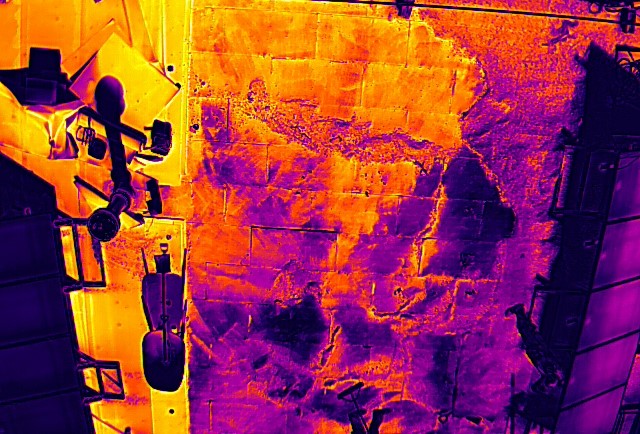
Thermal image taken of the roof prior to retrofits.

Preventive Measures

All building types can take the following measures to prevent moisture-related issues on the roof:

Regular Inspection and Maintenance: Conduct regular inspections of the roof to identify signs of moisture accumulation, damaged tiles or shingles, or vegetation growth, and to ensure drainage systems are not blocked. Using thermography and AI analytics, QEA Tech can efficiently and cost-effectively diagnose moisture-related issues on the roof, providing insight on the severity of the issue and how to repair it.

Enhance Airflow: Install ridge vents, soffit vents, or other ventilation solutions to improve air circulation and reduce moisture buildup beneath roofing materials.

Apply roof coatings: Use roof coatings, such as silicone coatings, to create a waterproof barrier on the roof that prevents moisture from seeping through roofing materials.

Insulation: Ensuring your roof is well-insulated helps reduce moisture penetration, especially in colder climates where condensation is more likely to occur.

Qualified building envelope auditors, like QEA Tech, are an important first step in understanding the state of your building’s roof and what actions to take to fix moisture and energy efficiency issues. Contact QEA Tech today for a free quote on a building envelope audit.

QEA Tech Sets to Accelerate Decarbonization of the Built Environment with $500,000 Investment from Alberta Ecotrust

QEA Tech is thrilled to announce that we recently secured a $500,000 CAD investment from Alberta Ecotrust Foundation, further equipping us to provide property owners with the data they need to decarbonize their buildings. QEA Tech conducts detailed building envelope audits using our proprietary AI-enabled software, drones, and thermography. Our solution quantifies energy loss for each building envelope element, pinpoints a wide range of envelope issues, and recommends targeted retrofits that maximize energy savings and ROI.

QEA Tech will use Alberta Ecotrust’s investment to fuel our growth. QEA Tech will work to continue its operations in Alberta, the rest of Canada, and the U.S., as well as build upon its presence in Europe and Japan. We have a number of partnerships to scale in these regions and are excited to expand the reach of our building envelope audit technology. More accessible building energy assessment and retrofit planning solutions are vital in building climate resiliency considering the majority of existing buildings need to be retrofitted to achieve net zero by 2050.

Alberta Ecotrust supports and catalyzes environmental and climate action projects that enhance the well-being of Alberta’s communities. It works collaboratively with diverse stakeholders to fund, connect, and enable innovative initiatives that address pressing environmental challenges. Alberta Ecotrust invested in QEA Tech as part of their Climate Innovation Fund, in which they invest in and scale up climate solutions that align with Calgary and Edmonton’s climate action plans.

“QEA Tech is grateful for Alberta Ecotrust’s investment in our AI-powered building envelope audit technology. Through this support, QEA Tech will have the ability to expand the reach of our audits, providing building owners with the in-depth insights needed to make data-driven decisions on retrofits. QEA Tech looks forward to leveraging this funding to make reaching net zero goals a seamless process for building owners.” – Peyvand Melati, CEO and Co-Founder of QEA Tech

“We’re excited to invest in QEA Tech as part of our suite of programs advancing high-performance buildings in Calgary and Edmonton. Their innovative AI technology helps building owners plan more effective energy retrofits, making it easier to reduce emissions from buildings and support Alberta’s move toward a carbon-neutral future.” – Rod Ruff, President of Alberta Ecotrust Foundation

Media Contacts

QEA Tech

Hannah Elhamahmy

Marketing Lead

hannah@qeatech.com

Alberta Ecotrust Foundation

Andrea Soler

Communications Director

a.soler@albertaecotrust.com

Toronto Announces New Energy and Water Reporting Requirements

The City of Toronto has recently introduced new energy and water reporting requirements for building owners in the city, with the goal of improving the sustainability of Toronto’s buildings. By July 2, 2024, buildings that are 50,000 square feet or larger, which accounts for around 7500 buildings, will have to report their energy and water use for the 2023 year. 

Starting in 2025, the reporting requirements will extend to buildings that are 10,000 square feet or larger. Building owners will have to report on data such as electricity use, natural gas use, district energy use, and water use. These reporting requirements will allow building owners to keep track of their building’s performance, benchmark their performance against similar buildings, and save money by understanding their building’s energy and water usage. Such data will also aid the City in designing programs and policies that support property owners in improving the energy and water efficiency of their buildings. Requirements such as these and the data that they provide are necessary for Toronto’s built environment as buildings are the largest source of greenhouse gas emissions in the city, representing more than half of GHG emissions in Toronto.

The reporting requirements build off of Toronto’s Existing Buildings: Net Zero Strategy, which aims to lower GHG emissions from buildings to net zero by 2040. Key policy actions the City will take to implement this strategy include:

1. Requiring building owners in Toronto to annually report their building’s GHG emissions performance.

2. Requiring building owners to conduct energy and emissions audits to inform retrofit roadmaps.

3. Reducing the costs and time associated with building retrofits.

The new energy and water reporting requirements are just one of many stepping stones in achieving the City’s goal of net zero emissions from buildings. There are a number of initiatives led by the City of Toronto that encourage building owners to analyze the energy performance of their buildings and take on retrofits. Through the Better Buildings Partnership, Toronto provides various programs that support building owners in improving the energy efficiency of their buildings. Some of these programs include:

Toronto’s Deep Retrofit Challenge

This is a competition-style program in which select buildings in Toronto will undergo a deep-retrofit to aid in the reduction of their GHG emissions. Projects will be completed by early 2025 and will be followed by a one-year post-retrofit performance evaluation.

Energy Retrofit Loans

The cost of retrofits can often be what holds building owners back when it comes to making energy efficient changes. However, the City’s Energy Retrofit Loan program offers the financing building owners need to invest in low-carbon, energy efficient capital improvements. All building types in Toronto are eligible for these loans and a vast number of building retrofits are eligible, such as building envelope improvements.

High-Rise Retrofit Improvement Support Program

This program provides low-cost financing for owners of residential apartment buildings who want to invest in energy and water consumption improvements. Buildings that are three storeys or more and were built before 1990 qualify. The program lets building owners pay for retrofits over time, allowing them to use associated energy, water, and operational savings to offset costs. Building improvements that qualify include window/ door caulking, exterior wall cladding, insulated roofing and more.

The City’s new reporting requirements and the various energy efficiency focused programs listed above are necessary mechanisms in the urgent task of decarbonizing Toronto’s built environment. Energy auditors such as QEA Tech make it seamless for building owners to meet these new requirements by providing in-depth data on the energy consumption of the building envelope.

The Importance of Energy Efficient Windows

Windows can be an important means to unlocking cost and energy savings for building owners. According to the U.S. Department of Energy, windows are responsible for 8.6% of energy use in buildings. Energy efficient windows better regulate the temperature of a building, resulting in less of a reliance on heating and cooling systems and therefore decreased energy costs and carbon emissions. According to a study by the University of Florida, energy-efficient windows reduced energy use by 774 Gigawatt hours in the past 30 years, or the equivalent of 547 million metric tons of carbon emissions.

Carbon emissions and cost savings aside, energy efficient windows include additional benefits for building owners by increasing the value of a property. By helping to regulate the temperature of a property, energy efficient windows help to reduce drafts and cold spots, improving tenant comfort.

The most energy-efficient windows typically have several key features and characteristics that contribute to their performance. Some of these characteristics include:

Multiple Panes: Windows with two or three panes of glass, separated by air or gas-filled spaces, provide better insulation compared to single-pane windows. Double-pane windows, also known as dual-pane windows, and triple-pane windows enhance thermal performance by reducing heat transfer through the glass.

Gas Fills: In between the panes of insulated glass, inert gases like argon or krypton can be filled to improve insulation performance. These gases have higher insulating properties compared to regular air, reducing heat transfer through the window.

Low-E Coatings: Low-emissivity (low-E) coatings are thin, virtually invisible layers applied to window glass. These coatings help to reflect infrared heat while allowing visible light to pass through. Low-E coatings improve energy efficiency by minimizing heat gain in warm climates and heat loss in cold climates.

Insulated Glass Units (IGUs): IGUs consist of multiple glass panes sealed together, with insulating spacers in between. These units can incorporate low-E coatings, gas fills, and specialized frames to enhance energy efficiency by reducing heat transfer and improving thermal insulation.

Warm Edge Spacers: Warm edge spacers are used in insulated glass units to separate the glass panes and provide a thermal break. They help minimize heat loss at the edges of the window, reducing condensation and improving overall energy efficiency.

Frame Materials: Window frames made from energy-efficient materials, such as vinyl, fiberglass, or wood with thermal breaks, offer better insulation properties compared to aluminum frames. Insulated or composite frames can help reduce heat transfer and enhance overall energy efficiency.

Other, more easily applicable methods that contribute to the energy efficiency of windows include:

1. Proper window placement or orientation

2. Incorporating overhangs, awnings, or shading devices

3. Window treatments such as blinds, curtains, or shades

4. Options for natural ventilation, such as operable or tilt-and-turn windows, allow for increased airflow and can facilitate cross ventilation that reduces the need for mechanical cooling systems

To ensure the efficacy of energy efficient windows, there are several energy performance ratings to look out for. The U-value measures how well a window prevents heat from escaping, with lower U-values reflecting a more energy efficient window. The Solar Heat Gain Coefficient (SHGC) determines how well a window blocks heat from the sun. A good SHGC is dependent on the climate, with a lower SHGC suiting hot climates better. The Air Leakage Rating detects how well a window prevents air infiltration. Energy efficient windows should have an air leakage rating of 0.3 or below.

QEA Tech’s building envelope audits provide accurate and reliable data on the energy performance of windows, enabling targeted window replacements and retrofits that maximize energy savings and return on investment. Further, there are new innovations on the market such as window inserts that can avoid the costs of replacing windows. For example, our partnership with INOVUES allows for non-invasive glass inserts that cut installation costs and time as a result of INOVUES’ patented insulating glass retrofit technology.

With both economic and environmental benefits to reap, updating to energy efficient windows is a win-win scenario. Consulting with professionals like QEA Tech to quantify the energy loss and pinpoint issues within windows will help in making informed decisions about the possibilities of energy efficient windows for a particular building.

A Path to a Sustainable Chicago through Building Retrofits

With approximately 23,000 commercial, institutional, and industrial buildings sprawled across the city, it is no surprise that Chicago’s built environment contributes to almost 70% of the city’s greenhouse gas emissions. That is why decarbonizing this sector is essential to meeting Chicago’s goal of reducing citywide greenhouse gas emissions by 62% by 2040. The City has already taken tangible measures to tackling the excessive emissions produced by buildings, such as its long overdue revamp of its building codes in 2019. This update to the city’s building codes included policies such as adopting the International Building Code’s terminology and classification systems, and instituting green building codes. There are also notable programs throughout the city focused on decarbonizing buildings such as Retrofit Chicago, which is working to meet the city’s carbon footprint targets by creating community-based and city-wide retrofit goals that engage all building types.

While overhauling building codes and community initiatives are a good start to reducing greenhouse gas emissions from buildings, it is not enough. As the effects of climate change become increasingly present and the population of Chicago continues to rise, improving the energy efficiency of buildings becomes more and more of a pressing issue.

Why Retrofits are Necessary for Chicago

Performing building retrofits are one of the most effective ways to reduce the greenhouse gas emissions of buildings. This is because retrofits reduce the overall energy demand of a building. Older buildings usually have little insulation, inefficient windows, and leaky seals, resulting in energy loss. Retrofits improve building systems, reducing unnecessary energy use and mitigating loss of heated or cooled air.

Chicago’s weather, underground climate change, and cost savings serve as three primary reasons why building retrofits are of utmost importance for property owners across the city.

Protecting Buildings from the Windy City

Chicago has a continental climate, meaning the city deals with both hot summers and temperatures below freezing in the winter. This dichotomy of temperature makes it necessary for the buildings of the city to be updated to maintain comfortable indoor climates. The building envelope is especially important when considering retrofits for energy efficiency and to protect against severe weather changes. Leaky windows, walls, doors, and roofs not only allow heat to escape and cold to enter, creating uncomfortable indoor environments for tenants, but they can also allow condensation to form in the building envelope, leading to mold growth. Updating insulation within the building’s envelope and implementing vapor and wind barriers are just some ways to minimize heat loss and prevent cold air penetration within a building. Not only do these kinds of retrofits protect tenants from the dramatic Chicago weather, they improve the overall energy efficiency of a building, in turn reducing greenhouse gas emissions.

Chicago is Sinking: The Impact of Underground Climate Change

Venice is not the only city that is sinking. Despite not being surrounded by canals, Chicago is sinking as well do to underground climate change. A study conducted by researchers at Northwestern University found that buildings within Chicago’s Loop are sinking due to excessive heat radiated by downtown structures. Buildings are at the core of this issue as they use large amounts of energy to regulate their temperatures and run appliances, emanating heat downward. Additionally, building materials often absorb more sunlight, increasing the temperature within the city. Energy from this warm air can transfer to beneath the surface. Retrofits are an integral part of the solution to saving Chicago from its sinking fate. Simple retrofits such as installing thermal insulation to walls aid in minimizing the output of heat into the surrounding ground according to Rotta Loria, assistant professor of civil and environmental engineering at Northwestern’s McCormick School of Engineering and leader of the study. As Chicago is largely built on clay, reducing the output of heat into the ground mitigates the contraction of the clay, reducing the effects of underground climate change.

The Cost Savings of Energy Efficient Buildings

One of the more practical reasons for implementing retrofits are the significant energy cost savings. Heating bills in the city have increased in recent winters, exacerbating already high energy costs. Building retrofits can generate energy savings of 5 to 15% with payback periods as little as three years. Specifically, retrofits for the building envelope can help to significantly lower the cost of fuel and power that regulate interior climates. Retrofits are a no brainer when more energy efficient buildings not only equal to less green house gas emissions but also lower costs.

Examples of Retrofits in Chicago’s Buildings

Several buildings in Chicago have already implemented retrofits, with The Science and Engineering Buildings at the University of Illinois Chicago and The Wrigley Building being notable examples. The University of Illinois Chicago was motivated to perform retrofits in order to make progress towards their commitment to Zero Carbon by 2050 and to reduce energy costs. Retrofits performed resulted in a 43% reduction of carbon emissions in 2016 compared to 2011 and increased performance and comfort in 365 laboratory fume hoods. Some of the retrofits performed include weather stripping and caulking around doors and windows, installation of smaller humidifiers to replace the humidification from the district system, and fume hood lighting retrofits.

The Wrigley Building saw a 20% energy reduction from baseline achieved in 2019 as a result of the retrofits performed. The Wrigley Building was motivated to implement retrofits in order to minimize operational costs while maximizing tenant comfort, value and satisfaction. Through the renovation process, the building achieved LEED Silver Core + Shell Certification, ENERGY STAR® Certification, and BOMA 360 Performance Program Certification®. Retrofits implemented include replacing single pane windows with custom high efficiency windows, upgrading boilers, and optimizing existing equipment through thorough maintenance.

It is clear that energy efficiency of the skyscrapers, monuments, and homes that make up the city is necessary to paving a way for a sustainable, climate resilient, and prosperous Chicago. While new building codes and climate initiatives are important steps towards a net zero Chicago, retrofits are the missing puzzle piece towards tackling one of Chicago’s biggest greenhouse gas emitters.

Energy Savings from Buildings are Critical In Meeting Climate Goals

The sheer scale of energy consumption by buildings is pervasive throughout the world. Buildings account for approximately 50% of total energy use and 40% of total greenhouse gas (GHG) emissions globally. In some cities, buildings account for up to 70% of total GHG emissions. In the US, buildings accounts for approximately 76% of electricity use and 40% of all primary energy use and associated GHG emissions.

Generally, most commercial building stock is relatively old, with approximately 50% of buildings today having been constructed before 1980. As a result, these old buildings are expected to have low performing building envelopes with little or no insulation.

High energy consumption of buildings is harmful in more ways than one. It contributes to environmental degradation, economic burdens, and social inequities such as:

Environmental Consequences

Climate Change: The resulting increase in greenhouse gases from the excessive energy consumption of buildings contributes to global warming, climate instability, and extreme weather events.
Depletion of Natural Resources: Non-renewable energy sources such as coal, oil, and natural gas continue to be exhausted in order to power, heat, and cool energy inefficient buildings.
Air and Water Pollution: The combustion of fossil fuels used to heat and cool buildings releases pollutants which contribute to smog, respiratory ailments, and poor air quality. Additionally, inefficient energy systems can lead to improper waste disposal and water contamination.

Economic Consequences

High Energy Costs: Excessive energy consumption of buildings translates into higher energy bills for homeowners, businesses, and governments.
Resource Inefficiency: Inefficient buildings require larger investments in heating, cooling, and lighting, diverting resources that could otherwise be better allocated or conserved.
Reduced Competitiveness: Tenants are increasingly seeking buildings that are energy efficient, have sustainable practices, and can maintain comfortable and healthy indoor conditions.

Social Consequences

Health and Comfort: Energy inefficient buildings may lack proper insulation, ventilation, and temperature control, leading to discomfort for tenants, and compromised indoor conditions and air quality.
Energy Poverty: There are individuals and households that struggle to meet their energy needs due to limited resources. This disproportionately affects vulnerable populations, exacerbating social inequalities and limiting access to essential services and opportunities.

Building retrofits are crucial to realizing the energy savings potential of the opaque envelope as nearly 70% of buildings standing today will still be in use as of 2050. In Canada, with approximately 15 million residential and commercial buildings, one building needs to be retrofitted every single minute if the country has any hope of achieving its 2050 net zero target.