How NYC Buildings Can Win on Sustainability, Compliance, and Performance

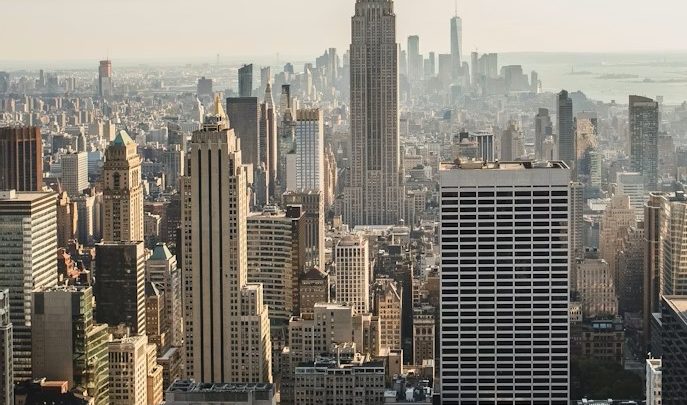
New York City’s skyline is defined by its buildings, many of which are decades old and facing growing challenges from aging infrastructure and climate change. To protect both public safety and environmental health, New York City (New York) has enacted a suite of local laws requiring building owners to improve durability and efficiency. While these laws can be complex to keep up with and come with harsh penalties for non-compliance, expert solution providers, like QEA, can make the roadmap to sustainability and compliance seamless and achievable for building owners.

New York City Local Laws Driving Energy Efficiency and Building Sustainability

Buildings are the single largest source of greenhouse gas emissions in New York – nearly 73% of the city’s emissions come from the energy used to heat, cool, and power buildings. Most large buildings in New York are decades old (on average 60-70 years) and were not built with modern energy standards in mind. To meet New York’s climate goals, a 40% reduction in GHG emissions by 2030 and 80% by 2050, relative to 2005 levels, the city enacted a series of local laws targeting energy efficiency and carbon reduction in existing buildings. Key among them are:

Local Law 85 (Energy Conservation Code Compliance)

Local Law 85 ensures that whenever you renovate or alter a building, you must comply with the latest Energy Conservation Code. Now any renovation or alteration requires the project to meet current energy code requirements for insulation, lighting, mechanical systems, etc. For building owners, this might mean higher upfront costs for higher performing windows during a renovation, but significant cost savings in the long run through a more energy efficient building.

Local Law 87 (Energy Audits and Retro-Commissioning)

Local Law 87 (LL87) requires that large buildings undergo a professional energy audit and retro-commissioning every 10 years. An energy audit (typically ASHRAE Level II) is a systematic analysis of a building’s energy use and systems to identify cost-effective efficiency improvements. The goal is to give owners actionable insights into how to save energy and money across their portfolio, beyond the raw data of benchmarking. Many buildings have found low-hanging fruit (like sealing leaks) that quickly pay back the audit costs in saved utility bills. Compliance with LL87 often uncovers operational improvements that enhance a building’s performance and value.

Local Law 97 (Building Emissions Limits)

Enacted in 2019 as part of the Climate Mobilization Act, Local Law 97 (LL97) sets annual greenhouse gas emissions caps for buildings over 25,000 square feet. The law covers roughly 50,000 buildings across commercial and residential sectors. Compliance increases over time, and by 2030 the caps will cover 75% of buildings across the city, forcing deep retrofits and more energy efficient maintenance choices for large buildings. The goal is net zero emissions by 2050, meaning nearly all fossil fuels used in buildings must be eliminated or offset.

LL97 is considered one of the most ambitious building climate laws. Many buildings will need deep retrofits, especially by the 2030–2034 phase when carbon emissions limits tighten sharply. The city estimates that as of 2023, about 8% of buildings are over the 2024 limits, but 57% would be over the 2030 limits without improvements.

For a property owner, compliance can seem costly, but the cost of inaction is far greater. A building that doesn’t take measures to better understand and improve energy performance is likely spending more on fuel and electricity than necessary. Additionally, large corporate tenants often have their own carbon reduction targets and may shy away from buildings that will blow their carbon budget. A compliant building can market its resiliency and efficiency as selling points: cheaper to heat and cool, better for occupants, less likely to spring leaks or outages, and avoiding penalties for non-compliance.

How QEA’s Building Envelope Assessment and Retrofit Planning Services Enable Compliance

Achieving compliance can be complex, but innovative technology is proving incredibly valuable. QEA is at the forefront of this movement, providing detailed, precise building envelope audits using patented AI software, drones, and thermography. These assessments provide building owners with the exact insights needed to meet compliance obligations more effectively and identify the most impactful building upgrades.

The building envelope, the outer structure of the building, is often overlooked in traditional energy audits, yet it’s critical for both building sustainability and efficiency. Improving building envelopes is considered the most effective way to reduce the thermal needs of buildings, with envelope retrofits enabling upwards of 30% in energy savings.

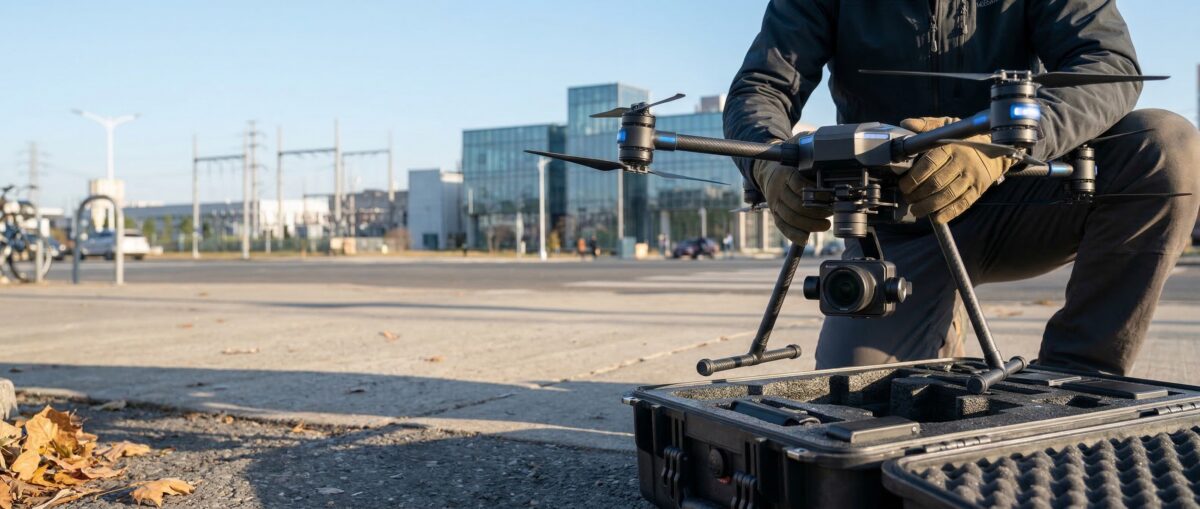
QEA ’s solution deploys industrial drones equipped with high-resolution (8K+) thermal and visual cameras to scan entire buildings, collecting thousands of high-resolution, close-proximity images across the building envelope. This data is then processed and analyzed by QEA’s proprietary AI models that are built off of the largest database on the thermal performance of building envelopes. This approach yields a detailed thermal map of a building’s surface, pinpointing with sub-inch accuracy a number of issues such as missing insulation, leaky window frames, and moisture penetration. QEA’s audit can help spot not just visible degradation but also areas of potential façade failure like hidden moisture, delamination, or hazardous ice buildup.

QEA’s audits go beyond qualitative analysis, incorporating proprietary methods to quantify energy loss and forecasted savings for each square inch of the building envelope – accurately measuring megawatt-hours of energy loss, tons of carbon emissions, forecasted energy and emissions savings, and actual effective R-values. QEA’s methodology ensures real energy measurements, rather than assumptions based on theoretical models.

QEA has previously helped cities gather the data needed to meet pressing climate goals and tailor energy policy planning. For example, QEA’s audit of 190 buildings for a large city found that on average building envelopes were performing 75% worse than current building code standards, and that upgrading them could avoid 56% of the heat loss (and corresponding GHG emissions) those buildings were experiencing.

Importantly, QEA’s solution prioritizes actionable recommendations by calculating how much energy is being lost at each defect, how much can subsequently be saved through targeted retrofits, and the ROI of completing each retrofit. QEA’s retrofit solution partners can help buildings implement the recommended retrofits, simplifying the upgrade process and making it easier to meet regulations. From large hospitable campuses, apartment buildings, airports, library branches, and more, QEA has the experience to help owners of all building types cost-effectively meet regulation requirements.

Enabling Better Buildings Across New York

By understanding the local laws and embracing the solutions at hand, building owners and stakeholders can not only meet mandates but derive value from them, through safer buildings, lower operating costs, and more sustainable communities. The experience of firms like QEA in New York shows that with data, innovation, and commitment, even the oldest skyscrapers can shine green.
How AI Is Driving a New Era of Efficient Building Envelope Retrofits

Buildings are a leading source of energy consumption across the globe, accounting for a third of global energy consumption and a quarter of CO2 emissions. Improving the building envelope – the outer layer of a structure that includes walls, windows, roofs, and doors – is particularly important to achieving energy and emissions savings for buildings. Capable of achieving upwards of 30% of energy savings, high-performing building envelopes are the most effective way to reduce the thermal needs of buildings according to the International Energy Agency.

Barriers to Building Envelope Energy Efficiency – Lack of Actionable Data and Scale

Retrofits to the building envelope are a critical means to achieving major energy savings without having to demolish and rebuild the existing structure. Despite their importance, building envelope retrofits are frequently delayed, largely due to a lack of data on the issues and risks affecting the building envelope and the return on investment of retrofits. Traditional methods of analyzing the energy consumption of building envelopes rely on manual, imprecise, intrusive, and non-scalable methods that fail to yield a prescriptive business case for retrofits.

Scalability, Efficiency, and Detail: Transforming Building Envelope Analysis with AI

AI, paired with other technologies such as drones, can be used to simplify, optimize, and accelerate the retrofit planning process for the building envelope. Drones equipped with thermal and visual cameras are capable of collecting thousands of high-resolution, close-proximity images across the entire building envelope in a short amount of time. This enables the creation of comprehensive datasets built off of millions of data points that encompass various building envelope materials (e.g., brick, concrete, glass, wood), structures (e.g., high-rises, low-rise residential, industrial warehouses), and façade shapes (e.g., rectangular, curved, irregular). Datasets can be further enriched through data processing and augmentations that simulate additional variations.

This data can then be fed into AI models that are trained to identify varying instances of energy loss and physical deficiencies across the building envelope (e.g., air leakage, moisture penetration, decaying insulation). Detecting each of these issues may involve using different thermal tunings and color palettes to more easily highlight specific anomalies.

Once building envelope issues are identified, AI can be used to create action-oriented retrofit plans through large language-based recommendation modules. Rules-based algorithms, built off of detailed datasets on possible building envelope retrofits, can be used to recommend fitting retrofits based on specific building envelope issues identified. Machine learning models, factoring in quantitative details on the building envelope such as square footage, can then take the list of recommended retrofits and estimate project costs, forecasted energy and cost savings, and return on investment. These outputs can then be fed into a large language model to deliver actionable retrofit plans.

Overall, leveraging AI models can notably speed up and improve the building envelope analysis and retrofit planning process, allowing for the precise analysis of extremely large datasets within a fraction of the time it would take for a human to analyze data.

Real Life Use Cases: Optimizing Retrofit Planning with AI Tools

A large warehouse located in the UK, spanning over 1 million square feet, needed an efficient and scalable way to pinpoint key areas of energy loss across the facility’s expansive building envelope. Leveraging sophisticated AI models, the warehouse was able to quickly process and analyze over 10,000 high-resolution visual and thermal images of the building envelope, pinpointing over 1,300 issues related to building envelope energy loss and physical deficiencies. The analysis pinpointed air leakage from skylights and garage doors as being key sources of energy loss, and a business case for specific and tailored retrofits with clear payback and ROI was established.

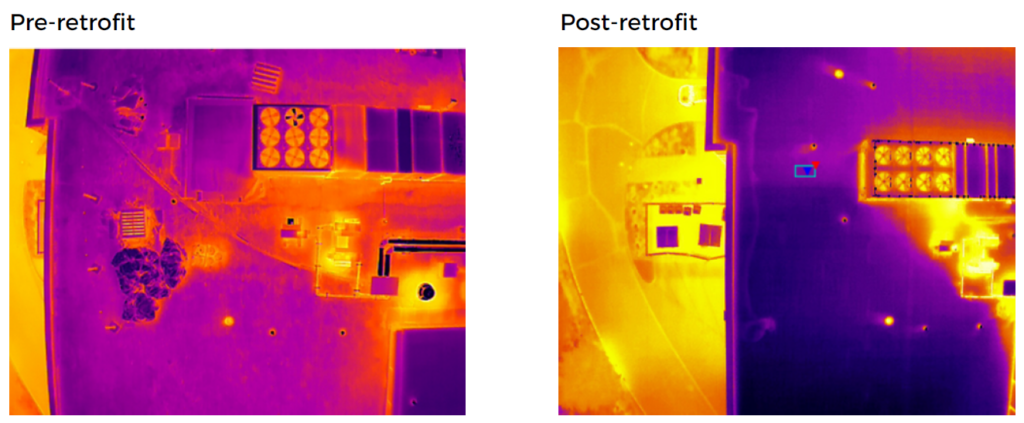
Similarly, a large commercial office building based in Canada, spanning over 60,000 square feet, leveraged AI tools to prioritize which retrofits to complete for its building envelope. By using AI, the building was able to efficiently and accurately identify 131 building envelope issues that required action. An ineffective thermal layer on the roof was identified as a significant source of energy loss that could be cost-effectively resolved by adding insulation. In a post-retrofit AI analysis, it was determined the building saved 78% of annual energy loss from the roof and over $20,000 in annual energy costs.

Thermal images of the commercial office building roof before and after the retrofit was completed. The darker hues in the post-retrofit image display the reduced energy loss on the roof.

Using AI to Forge a Path Towards a Greener Built Environment

AI is revolutionizing the way we optimize building envelope performance, turning a once costly and invasive process into a scalable science. This technology shifts the paradigm from manual, time-consuming inspections to rapid, data-driven insights. As a result, it streamlines the transition from problem identification to retrofit implementation, rendering deep energy savings far more achievable. As the industry adopts these advanced tools, we move closer to a built environment that is cleaner, smarter, and more sustainable.

QEA Tech Receives Support to Advance AI-Driven Building Envelope Retrofit Technology

QEA Tech, a leading provider of AI-driven building envelope audits, is thrilled to announce that it is receiving advisory services and up to $4,200,000 CAD in funding from the National Research Council of Canada Industrial Research Assistance Program (NRC IRAP) to support research and development for its patented building envelope audit technology.

This support will enable QEA Tech to conduct building envelope audits for 350 buildings, including commercial, residential, industrial and institutional facilities, with the support of industry partners. These audits will quantify energy loss throughout the building envelope, pinpoint important building envelope issues and risks, and identify high-impact retrofit opportunities that maximize energy savings and ROI. Data collected through these audits will be leveraged to enhance QEA Tech’s AI-driven retrofit recommendation software, leading to a fully automated solution that delivers detailed, targeted, and cost-effective retrofit plans. As a result, the building retrofit process is expected to be faster, more affordable, and more accessible for building owners.

Improving building performance is crucial for meeting pressing climate goals as buildings are responsible for a third of global energy consumption. The building envelope plays a critical role in the overall energy efficiency of buildings accounting for upwards of 30% of the total energy lost in a given building. Technology like QEA Tech’s can facilitate a smoother transition to achieving energy efficiency and operational savings for building envelopes.

“QEA Tech thanks NRC IRAP for supporting our mission to make retrofits more accessible, scalable and cost-effective for building owners. A data-driven approach such as QEA Tech’s is important in providing a thorough understanding of how to fix faults within the building envelope and improve energy efficiency. This funding will allow us to expand our impact and advance the technology that makes this possible.” – Peyvand Melati, CEO

QEA Tech looks forward to using the support from NRC IRAP to continue its path of innovation, pioneering solutions to make building envelope retrofits seamless, cost-effective, and scalable.

About QEA Tech

QEA Tech conducts precise, data-driven building envelope audits using patented AI software, drones, and thermography. A pioneer and market leader in AI-driven envelope analytics, QEA Tech delivers audits that are fast, cost-effective, and non-intrusive. QEA Tech’s audits quantify energy loss and forecasted savings for each square inch of the building envelope, pinpoint envelope issues down to inches, and deliver targeted retrofit plans that maximize energy savings and ROI. To date, QEA Tech has audited nearly 1,000 building envelopes across North America, Europe, and Asia, for a diverse portfolio of commercial, residential, industrial, and institutional facilities. As a result, QEA Tech has developed one of the largest structured databases on the thermal performance of building envelopes.

Data Centers’ Energy Appetite: The Need for Efficient Building Envelopes

Synopsis: Data centers consume enormous amounts of energy – half of which is spent to cool the hardware that powers our digital world. As data centers proliferate across the globe, the power demand that these facilities require strain the grid and power resources. With such a high demand for power, the energy efficiency of these buildings is essential. The building envelope, the barrier between the cooled interior and building’s exterior, must be thermally secure to optimize energy consumption and reduce waste.

Data Centers: The Powerhouse of the Digital World

Behind all cloud computing software and artificial intelligence (AI) platforms is a data center: large warehouses powering the technologies behind online activity. By 2030, the power needs of data facilities are expected to triple from 3-4% of total US power demand to between 11-12%.

As the use of AI, digitization, and data increasingly integrates with all aspects of our daily lives, the gigawatt demands to power these systems by the end of the decade will require considerably more electricity than what is currently produced.

Every watt consumed by processors emerges as heat. To keep the technologies at an operational temperature, cooling systems require up to half of total energy use. Looking forward, energy efficiency will be critical to sustainably managing the rapidly growing energy demand.

The Case for Urgent Energy Efficiency Improvements

Skyrocketing energy demands, specifically from the expansion of AI, are causing strain on utilities in places with major data center campuses. In northern Virginia, an established global hub of data centers, the electricity grid is facing serious reliability concerns as power demand surges past the region’s capacity to generate it.

In Wyoming, a new data center will use more power than every home within the state and require its own dedicated energy generation sources to not exceed the state’s energy capacity. Without efficiency improvements, new projects like Wyoming’s risk placing severe stress on regions’ grids causing increased energy costs for all and instances of unreliability or energy shortages.

Cooling Efficiency Isn’t Optional

Given the voracious appetite for energy, developers are turning to sources of power outside of the grid, like nuclear and renewables, to power data center campuses. But no matter where the energy comes from, the power demand is still unsustainable at its current rate of growth.

Cooling load is expected to increase further as ambient temperatures, server density, and chip power also rise. Heat from servers and processing warms the internal air temperature which must be cooled to preserve hardware life expectancy, driving heavy focus on climate control.

Cooling these campuses efficiently is central to mitigating data center power demands.  Inefficient cooling systems incur far higher operating and maintenance costs while consuming energy avoidable with more efficient internal cooling systems and tighter building envelope elements. Cool air exfiltration and energy leaks through the building façade are exacerbating campuses energy expenditure unnecessarily.

The Building Envelope: The Key (“QEA”) to Efficiency

As energy efficiency is critical to meeting demand, data centers cannot ignore the building envelope in their energy use strategy. Walls, windows, and the roof, some key elements of the building envelope, must effectively keep cool air in and warm air out to avoid any unnecessary energy use.

A well-built building envelope ensures that energy is used optimally, which streamlines both energy demand and costs. For high-energy use facilities like data centers where use and costs are high at their baseline, understanding and addressing the building envelope’s impact is key to energy optimization. The US Department of Energy states that “by improving energy efficiency, the Data Centers sector could save billions in both costs and kWh of energy.”

QEA’s audits quantify energy loss across the building envelope and pinpoint building envelope efficiency and resiliency issues by leveraging drones, thermography, and patented software. Using this data, QEA recommends targeted actions to optimize envelope tightness and efficiency while maximizing return on investment. QEA has audited several large data centers, delivering detailed insights to inform customized retrofits that ensure efficient cooling systems. Contact QEA today for a free quote on a building envelope audit for your data center or building portfolio.

Tightening Building Envelopes: Smart Retrofits to Reduce Energy Costs

The building envelope—the physical barrier between a structure’s interior and exterior—is fundamental to energy efficiency, resiliency, and operational savings. At QEA Tech, we leverage advanced thermography and AI-driven analytics to identify and quantify energy loss, inform targeted retrofits, and deliver measurable results. Our focus on envelope tightness is driven by its proven impact: reducing air infiltration and thermal leakage through the building’s exterior directly lowers energy loss and the heating, ventilation, and air conditioning (HVAC) load required to maintain desired internal temperatures. The EPA estimates that a well-sealed envelope can lead to an average of 15% savings on heating and cooling costs and an average of 11% savings on overall energy costs.

Retrofitting Envelopes to Optimize HVAC Performance

As energy costs rise and building codes increasingly require lower energy consumption, addressing envelope vulnerabilities is an important first step toward energy savings and building resiliency. 40% of the primary energy used in buildings in the United States can be attributed to heat transfer and leakages in building envelope components. Optimizing envelope components—walls, roofs, windows, and doors—can negate inefficiencies attributed to energy leakage and yield substantial reductions in HVAC operational costs, energy use, and carbon emissions.

As HVAC systems represent a major share of building energy consumption, improving envelope tightness directly influences HVAC design and operation. Reducing air and thermal leakage decreases heating and cooling demand, enabling the installation of smaller, more efficient HVAC units. This not only lowers initial capital costs but also reduces ongoing energy expenses, as a secure envelope helps maintain indoor temperatures more efficiently.

Proven Success: Energy Savings in Colorado

In Colorado, the renovation of the two-story, 46,000-square-foot Denver Federal Center achieved a reduction in air leakage of more than 50%Researchers then used these results to simulate energy savings across different ASHRAE climate zones and building types, finding that enhanced airtightness could lead to substantial reductions in energy consumption and improve HVAC efficiency.

Rocky Mountain Institute, February 2017  https://rmi.org/wp-content/uploads/2018/10/RMI-Innovation-Center-Overview-2017.pdf

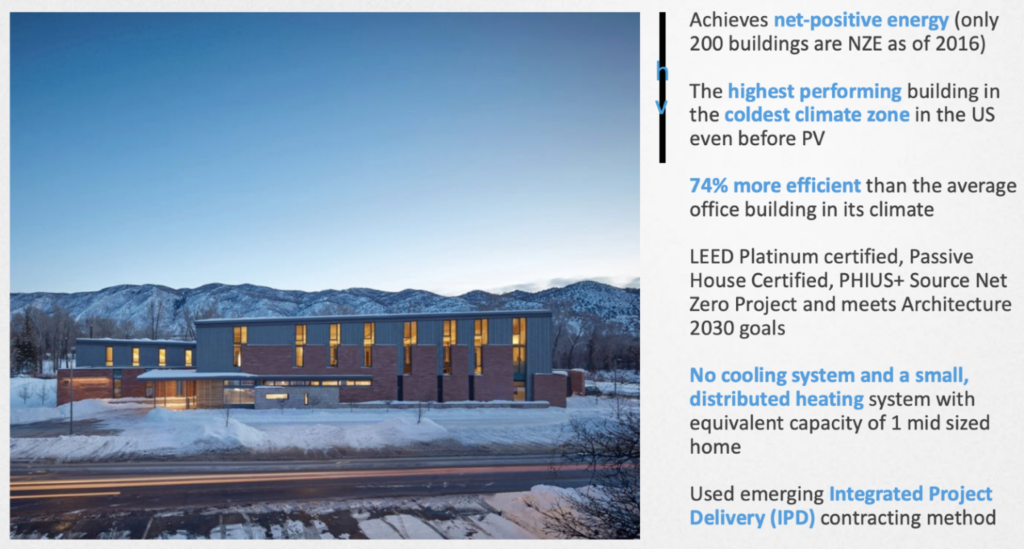
Further, the Rocky Mountain Institute (RMI) Innovation Center in Basalt, Colorado, designed to meet and exceed the most stringent airtightness standards, was meticulously engineered to minimize thermal bridging and air infiltration, allowing the HVAC system to operate at a fraction of conventional capacity.  The Innovation Center uses 74% less energy than comparable office buildings with HVAC operational costs accounting for only 6% of total energy use. The project achieved a 4-year payback through these savings.

These case studies demonstrate that by prioritizing envelope-first design, developers and engineers can downsize HVAC equipment, cutting initial costs and significantly saving on operational energy use. Tightening the building envelope transforms HVAC from an energy hog into a pay-back tool as ‘the most efficient watt is the one never used.’

Understanding Building Envelope Performance First

The technical evidence is clear: tightening building envelopes is among the most effective strategies for reducing HVAC loads and optimizing building performance. The combination of reduced energy consumption, lower HVAC equipment requirements, and improved operational efficiency makes envelope improvements a critical component of high-performance building design and retrofit strategies. By prioritizing envelope improvements, stakeholders can ensure that subsequent upgrades are appropriately scaled, avoiding over-engineering and unnecessary costs.

As the industry continues to pursue electrification and decarbonization goals, envelope improvements provide the foundation for building an efficient, resilient, and sustainable built environment while optimizing capital and operational expenditures.

About QEA Tech

Understanding specific vulnerabilities in the building envelope can decrease the upfront costs of retrofits and provide a pathway to future energy savings. QEA Tech pioneered and patented technology that pinpoints weaknesses in the building envelope, quantifies energy loss and post-retrofit savings, and recommends targeted retrofit measures that optimize energy efficiency and return on investment. Its model is informed by the largest thermal dataset on building envelopes, collected from more than 700 buildings audited including commercial, industrial, institutional, multi-family, airports, and museums.

Interested in gaining a comprehensive understanding of risks and energy loss across your building envelope? Connect with QEA Tech for a free quote for your building portfolio.

Unlocking Sustainable Success: How QEA Tech Helps Achieve BOMA BEST

Sustainability is essential to optimizing building performance, ensuring efficiency and comfort. However, navigating how to effectively implement building sustainability measures can be overwhelming, with an abundance of different green initiatives and solutions to focus on. The BOMA BEST program is helping to ease this process for building owners and managers, offering a clear framework on how to assess and improve sustainability for all building types. Managed by the Building Owners and Managers Association (BOMA), BOMA BEST encourages smart, sustainable solutions for existing buildings. Since its launch in 2005, BOMA BEST has grown into North America’s largest environmental assessment and certification program for existing buildings.

Who Can Apply?

To be eligible for BOMA BEST certification, a building must have been operational for at least 12 months. The program covers a broad range of commercial building types including:

1. Office Buildings

2. Enclosed Shopping Centres

3. Health Care Facilities

4. Light Industrial Properties

5. Multi-Unit Residential Buildings

6. Open-Air Retail

7. Universal

Two Paths to Certification: BOMA BEST Sustainable vs Smart

BOMA BEST Sustainable

This stream focuses on the environmental and operational sustainability of a building. Promoting the continuous improvement of building operations and maintenance, it guides owners and operators on how to decarbonize, reduce water and waste, retrofit, and prepare against climate risk. Certification is achieved through a structured questionnaire that covers:

1. Energy and Carbon

2. Water

3. Indoor Air Quality & Hazards

4. Accessibility & Wellness

5. Custodial & Waste

6. Resilience & Site Planning

💡 How QEA Tech Can Help

QEA Tech has a strong track record for helping clients achieve the energy and carbon related requirements of this certification. Detailed and accurate data on the energy consumption and carbon emissions of a building is essential to achieving this certification with the completion of building envelope assessments, deep energy and carbon retrofit studies, quantification and benchmarking of carbon emissions, and third-party certification of a building’s energy use and carbon emissions being required. The implementation of low-cost envelope retrofits and evidence of improved energy efficiency due to these measures is also necessary for full certification. QEA Tech’s AI-powered building envelope audits can play a critical role in helping buildings achieve the BOMA BEST Sustainable certification by offering:

Proprietary AI-driven assessments that deliver precise data on energy loss, carbon emissions, and actual effective U-values for the entire building envelope.

Exact identification of a wide range of building envelope issues.

Custom, tailored retrofit recommendations with details on potential energy savings, implementation cost, and payback periods.

Post-retrofit verification audits to provide evidence of improved energy efficiency and reduced carbon emissions.

BOMA BEST Smart

As buildings embrace new and innovative technologies, BOMA BEST Smart was created to guide the digital transformation of buildings, supporting the integration of intelligent systems to drive sustainability, enhance tenant experiences, and deliver better financial value.

Focus areas included in the questionnaire for this certification include:

1. Security and Safety

2. Operations and Management

3. Network and Systems Integration

4. End-User Experience

5. Reporting and Analysis

💡 How QEA Tech Can Help

QEA Tech supports deliverables required for the Smart certification by providing:

Energy efficiency analytics and reporting related to building envelope energy loss.

Carbon emissions reporting, detailing the total carbon emissions for each building envelope element as well as the total amount of preventable emissions throughout the envelope.

QEA Tech’s use of AI software and drones allows for our audits to be highly scalable and non-intrusive, allowing for building owners to meet the sustainability reporting requirements for their portfolio efficiently and cost-effectively.

Understanding the Levels of Certification

BOMA BEST awards certifications based on a building’s performance across several benchmarks. The better a building performs on the detailed questionnaire, the higher the level of certification it can achieve. Certifications range from:

Baseline: 0%–29% of questionnaire requirements completed.
Bronze: 30%–59% of questionnaire requirements completed.
Silver: 60%–79% of questionnaire requirements completed.
Gold: 80%–89% of questionnaire requirements completed.
Platinum: 90%–100% of questionnaire requirements completed.

Baseline practices (minimum requirements for all buildings) must be met to achieve any level of certification. There are 12 baseline practices for the Sustainable Buildings Certification and 5 baseline practices for the Smart Buildings Certification, with baseline practices being listed at the beginning of each respective questionnaire.

Next Steps for Pursuing BOMA BEST

Whether you’re focused on cutting costs, digitizing building operations, or achieving sustainability goals, BOMA BEST provides guidance on the steps necessary to achieve optimal building performance. Contact QEA Tech to learn more about how we can support your BOMA BEST certification and get a free quote on a building envelope audit.

How Energy Audits and PropTech Help Utilities Tackle Climate Change

The Growing Demand for Electrification Globally

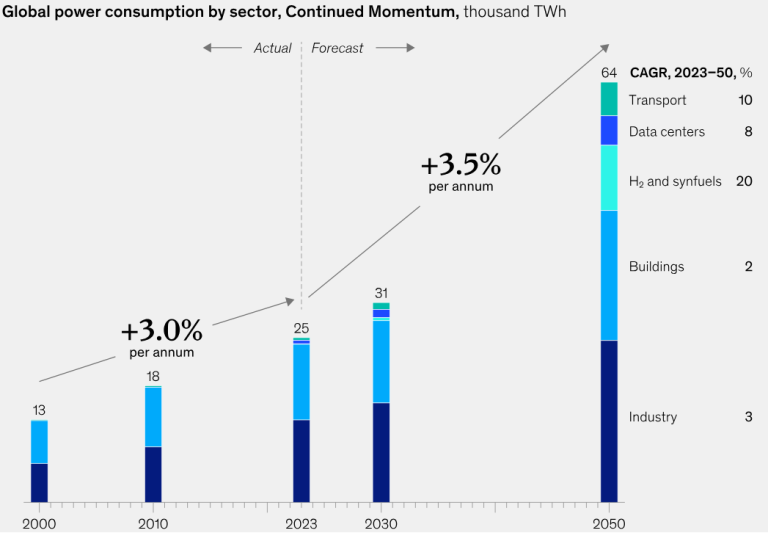
Demand for electricity is accelerating at a staggering rate, with electricity consumption expected to almost triple in some scenarios between now to 2050.

Source: McKinsey & Company

According to the World Economic Forum, the rise in demand is driven by economic activity, increasing use of air conditioning due to frequent and intense heatwaves, and a boost in the use of technologies such as electric vehicles and heat pumps. The surge in data centers being built is further contributing to the increase in demand as they are largely powered by electricity and have constant demand, straining local grids.

Electrification from clean energy sources is also necessary to meet global decarbonization targets. To meet the International Energy Agency’s (IEA) Net Zero Emissions by 2050 goals, electricity’s share in final energy consumption needs to be almost 30% by 2030. Considering the share of electricity in final energy consumption is estimated to have reached 20% in 2023 from 18% in 2015, the rate of electrification needs to accelerate much more quickly to meet this goal.

As the push toward electrification gets stronger, utility companies are facing unique challenges in meeting the increasing demand for power. In order to stay ahead, utilities must tackle the dual objectives of generating large amounts of new, clean energy while optimizing their existing systems for maximum efficiency.

Meeting Electrification Demands Through Energy Efficiency and Clean Energy Generation

Generating more power from fossil fuels is no longer a viable solution, both for the planet and for utilities. Clean, renewable energy sources such as solar, wind, and hydro, are a key part of the solution to meeting rising electricity demand while remaining on target to achieve net zero goals. However, to ensure that clean energy sources are being implemented effectively, existing energy waste needs to be reduced. Buildings contribute to a significant portion of existing energy waste, with the operations of buildings accounting for 30% of global final energy consumption. The building envelope, what separates the interior and exterior environments, is particularly important in reducing this energy waste, with the IEA stating that high performing building envelopes are the most effective way to reduce the thermal needs of a building. Therefore, understanding the energy performance of a building’s envelope and knowing what retrofits to complete to increase efficiency is necessary in ensuring a seamless transition to clean energy sources.

However, a key challenge for utilities today is identifying inefficiencies in how energy is consumed. Energy audits that leverage innovative prop tech can help solve this challenge for utilities, making the identification of energy inefficiencies across buildings that they power a seamless and scalable process. For example, drones can be used to take thousands of thermal images across entire cities, providing utilities with ample data needed to understand key areas and sources of energy loss in an efficient manner. Additionally, AI models can be trained using data such as thermal images to effectively identify common energy loss issues within buildings, such as thermal bridging, poorly performing windows, and lack of insulation. With this data, utilities and utility customers can make more informed decisions on the retrofits they implement, optimizing energy efficiency and return on investment.

Demand Management: Preventing Grid Overload

Increases in extreme weather events—such as heatwaves, cold snaps, and storms—are placing intense strains on power grids. This requires utilities to meet growing electricity demand in a way that ensures reliability and resilience. To do this, utilities are beginning to leverage advanced technologies such as AI algorithms and internet of things (IoT) devices to manage energy demand and mitigate against grid overload. For example, cloud-based Demand Response Management Systems (DRMS) enable utilities to analyze grid loads and adjust demand in real time, reducing grid strain, preventing outages, and lowering costs. Additionally, with 5G connectivity, utilities can process large volumes of data from smart grids and IoT devices, enabling more reliable communication between grid components, improved energy distribution, and quicker responses to anomalies. AI is also transforming grid management by enabling utilities to predict, optimize, and enhance energy distribution. Through machine learning and predictive analytics, utilities can forecast demand for energy, allocate resources proactively, and improve resilience by identifying and addressing grid vulnerabilities.

Energy audits can help utilities develop better demand management strategies by identifying peak demand periods and locations. This allows them to invest in the necessary infrastructure to avoid grid overload and better manage fluctuations in supply and demand. When it comes to buildings, utilities can adopt technology, such as drones and AI systems, to efficiently collect and analyze large volumes of data that help identify peak demand periods and locations. Using the data available through energy audits (e.g. quantified energy loss for different building elements, identification of energy loss issues) utilities can gain necessary insights on where to prioritize investments that will improve energy efficiency of the buildings they power. This ensures better distribution of energy across the grid, avoids spikes on the grid caused by building occupants overworking their heating and cooling systems, and prevents outages.

Leveraging Energy Audits to Connect with Customers

The benefits of energy audits for utilities go beyond improved energy management. The precise insights energy audits provide increases the value utilities can deliver to their customers. The detailed data and analysis provided by energy audits are often summarized in interactive portals and easy to read reports. This gives utility customers the ability to view data on the energy usage of their building as well as customized recommendations on how to optimize energy savings. Additionally, utilities can leverage the analysis energy audits provide to gain insight into energy consumption trends across the buildings they power, allowing them to develop customized programs that incentivize energy conservation.

Building an Energy Efficient Future for Utilities

As utilities grapple with growing demands for electricity, the challenges that come with climate change, and the need for cleaner power generation, energy audits and prop tech at scale have become an indispensable tool in maximizing energy use, identifying inefficiencies, and paving the way for sustainable solutions.

Contact QEA Tech for a free quote on our AI-powered building envelope energy audit to accelerate the energy savings process across your building portfolio.

Accelerating Toronto’s Net Zero Goals through Prop Tech Innovation

2024 is on pace to be the hottest year on record globally, beating out records set in 2023. Toronto is no stranger to the ever-present effects of climate change, with increases in the frequency and intensity of heat waves across the city. Buildings are the largest contributor to greenhouse gas emissions in Toronto, accounting for a significant 56% of emissions. As the city pushes toward its ambitious goal of achieving net zero emissions by 2040—transforming how buildings are designed, constructed, and retrofitted is essential.

Toronto’s Net-Zero Building Strategies

The City of Toronto has introduced policies to encourage the decarbonization of its building stock through its Existing Buildings: Net Zero Strategy and the Toronto Green Standard. The Existing Buildings: Net Zero Strategy focuses on making retrofits more accessible to building owners through expansion of retrofit financing and streamlining of the retrofit approval process. Aggressive and pragmatic retrofit measures are needed considering an estimated 476,000 homes and buildings in Toronto must be retrofitted to meet net zero by 2040. This requires a staggering pace of 27,400 residential retrofits and thousands of commercial, industrial, and institutional upgrades annually through 2040. The Toronto Green Standard targets new builds, setting out sustainable design and performance requirements for new developments.

Challenges on the Road to Net Zero

Many stakeholders in the buildings industry have concerns that increased regulations related to net zero goals will delay construction, translating to fewer buildings being built, in turn exacerbating issues such as housing affordability. Meanwhile, many building owners are still hesitant to retrofit their buildings as it is viewed as too expensive with uncertain return on investment.

Leveraging Innovative Technology as a Solution

The buildings industry is booming with cutting-edge technologies that support the adoption of green building practices. For example, QEA Tech uses sophisticated AI models to quantify energy loss for every square inch of the building envelope and pinpoint specific causes of energy loss within the envelope. This level of detail enables our technology to recommend retrofit solutions that are customized to the energy loss issues of a specific building, ensuring that building owners can maximize both energy savings and return on investment. This makes retrofit planning and implementation a much more affordable process for building owners, allowing them to prioritize retrofits based on areas of energy loss. Furthermore, QEA Tech creates a measurable 3D digital twin of the building that enables detailed visual inspections of the building envelope. In addition to evaluating issues and risks on existing buildings, the measurable digital twin enables builders to monitor the progress of their construction projects in real time, increasing efficiency and mitigating against project delays.

Financial Benefits of Green Building Practices

Sustainable building practices can yield long-term financial and environmental returns. For example, a 29-story condominium in Etobicoke was built with energy efficiency prioritized. The building benefits from a 41% reduction in energy use compared to its conventionally built sister building and saves a notable $125,000 a year in energy costs. Additionally, QEA Tech recently analyzed a Toronto-based Hospital which had undergone building envelope retrofits. Annual energy costs for retrofitted windows were 29% lower compared to old windows and 82% lower for retrofitted walls compared to old walls.

Building a Greener Future

Toronto’s path to net-zero hinges on a collective commitment to green construction and retrofitting existing buildings. While challenges persist, adoption of innovative technology can bridge gaps, ensuring progress without compromising affordability and efficiency.

Visit QEA Tech’s booth (#653) at The Buildings Show, occurring December 4-6 at the Metro Toronto Convention Centre, to learn more about how our AI-driven building envelope energy audits can make planning and developing green buildings a seamless process.

Roofing Retrofits: Solving Moisture Penetration and Enhancing Energy Efficiency

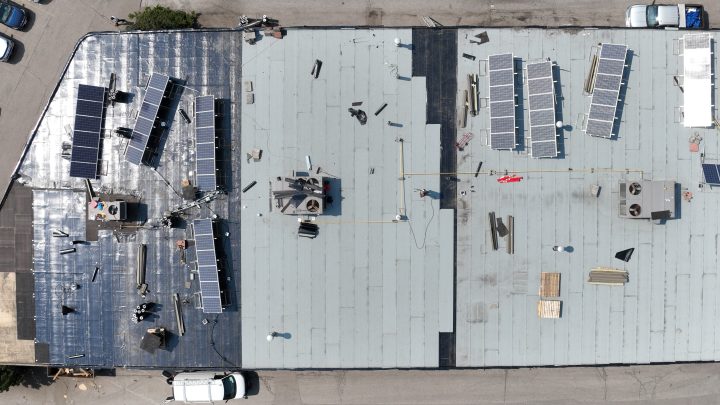
The roof is critical in protecting buildings from weather elements, improving the energy efficiency of buildings, and maintaining occupant comfort. In a recent commercial property that QEA Tech analyzed, a comprehensive roofing retrofit was completed to address multiple leaks. The building includes office space at the front and a warehouse at the back.

Causes of the Leaking Roof

The leakage was largely caused by water accumulating on the roof of the building due to blocked drainage systems. This was a result of improper roof maintenance, causing debris to collect on the roof and trap moisture which eventually penetrated through roofing materials. Additional factors that contributed to moisture penetration of roofing materials include:

1. The old age of the building, which resulted in the deterioration of roofing materials and sealants.

2. Cold weather causing water that has seeped into the roofing membrane to freeze and expand, exerting pressure on building materials and leading to the creation of small gaps. These gaps create additional paths for moisture to enter the building.

3. Improperly sealed solar panels on the roof which allowed water to seep into the building.

Retrofitting a Leaky Roof

To address this pressing issue, a thorough roofing retrofit was completed within 4 weeks. The retrofit consisted of:

1. Removing the existing, worn-out roof membrane.

2. Installing a multi-layer system:

Insulation layer: Firstly, an insulation layer was added to retain heat within the building and improve energy efficiency.
Weather barrier: A weather barrier was added to protect the insulation, prohibiting water from penetrating through to the insulation.
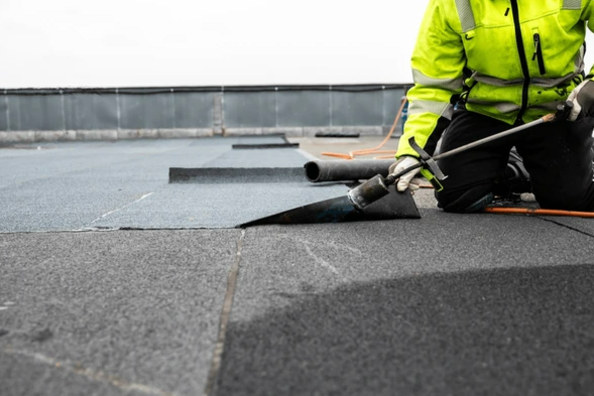
Protective tar layer: A tar layer was added using heat to ensure it melted and adhered properly. This layer was added to provide an additional barrier against water.
Bitumen layer: Bitumen was added, acting as a final layer of robust protection against weather elements like rain and snow.

Benefits of the Retrofit

Since the retrofit was completed, utility bills for the building decreased by over 10% annualized. This retrofit will increase the lifespan of the building’s roof, with the layers added shielding it properly from weather elements. Increasing the lifespan of the roof also reduces costs in the long run by reducing the frequency in which roofing materials need to be replaced.

Signs Your Roof Needs a Retrofit

To mitigate moisture-related roof issues, building owners should remain vigilant for signs of:

Moisture penetration on the roofing tiles: In late stages where the issue has progressed to greater severity, this can be identified by water spots on the ceiling. This requires immediate action as the longer the water sits and pools, the more damage it will do to the building. Water spots on the ceiling were the main sign that the roof of the commercial building retrofitted was not in good shape to prevent leaks from occurring.

Mold and mildew: Mold or mildew can be a sign of water that has become trapped beneath the roofing membrane and requires immediate action in order to maintain occupant health and safety.

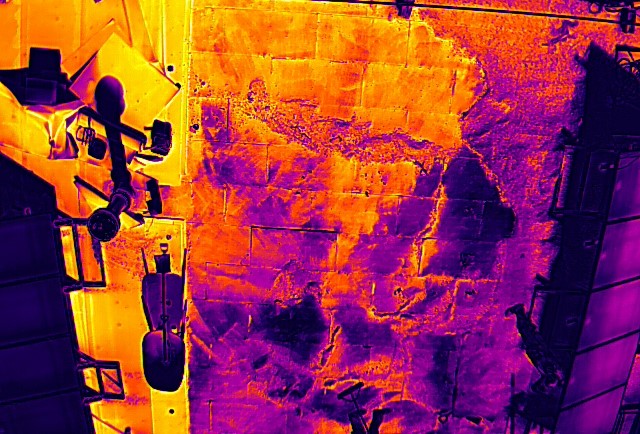
Using AI and thermography, moisture-related issues on the roof can be detected early on before they develop into expensive problems.

Thermal image taken of the roof prior to retrofits.

Preventive Measures

All building types can take the following measures to prevent moisture-related issues on the roof:

Regular Inspection and Maintenance: Conduct regular inspections of the roof to identify signs of moisture accumulation, damaged tiles or shingles, or vegetation growth, and to ensure drainage systems are not blocked. Using thermography and AI analytics, QEA Tech can efficiently and cost-effectively diagnose moisture-related issues on the roof, providing insight on the severity of the issue and how to repair it.

Enhance Airflow: Install ridge vents, soffit vents, or other ventilation solutions to improve air circulation and reduce moisture buildup beneath roofing materials.

Apply roof coatings: Use roof coatings, such as silicone coatings, to create a waterproof barrier on the roof that prevents moisture from seeping through roofing materials.

Insulation: Ensuring your roof is well-insulated helps reduce moisture penetration, especially in colder climates where condensation is more likely to occur.

Qualified building envelope auditors, like QEA Tech, are an important first step in understanding the state of your building’s roof and what actions to take to fix moisture and energy efficiency issues. Contact QEA Tech today for a free quote on a building envelope audit.

Energy Savings from Buildings are Critical In Meeting Climate Goals

The sheer scale of energy consumption by buildings is pervasive throughout the world. Buildings account for approximately 50% of total energy use and 40% of total greenhouse gas (GHG) emissions globally. In some cities, buildings account for up to 70% of total GHG emissions. In the US, buildings accounts for approximately 76% of electricity use and 40% of all primary energy use and associated GHG emissions.

Generally, most commercial building stock is relatively old, with approximately 50% of buildings today having been constructed before 1980. As a result, these old buildings are expected to have low performing building envelopes with little or no insulation.

High energy consumption of buildings is harmful in more ways than one. It contributes to environmental degradation, economic burdens, and social inequities such as:

Environmental Consequences

Climate Change: The resulting increase in greenhouse gases from the excessive energy consumption of buildings contributes to global warming, climate instability, and extreme weather events.
Depletion of Natural Resources: Non-renewable energy sources such as coal, oil, and natural gas continue to be exhausted in order to power, heat, and cool energy inefficient buildings.
Air and Water Pollution: The combustion of fossil fuels used to heat and cool buildings releases pollutants which contribute to smog, respiratory ailments, and poor air quality. Additionally, inefficient energy systems can lead to improper waste disposal and water contamination.

Economic Consequences

High Energy Costs: Excessive energy consumption of buildings translates into higher energy bills for homeowners, businesses, and governments.
Resource Inefficiency: Inefficient buildings require larger investments in heating, cooling, and lighting, diverting resources that could otherwise be better allocated or conserved.
Reduced Competitiveness: Tenants are increasingly seeking buildings that are energy efficient, have sustainable practices, and can maintain comfortable and healthy indoor conditions.

Social Consequences

Health and Comfort: Energy inefficient buildings may lack proper insulation, ventilation, and temperature control, leading to discomfort for tenants, and compromised indoor conditions and air quality.
Energy Poverty: There are individuals and households that struggle to meet their energy needs due to limited resources. This disproportionately affects vulnerable populations, exacerbating social inequalities and limiting access to essential services and opportunities.

Building retrofits are crucial to realizing the energy savings potential of the opaque envelope as nearly 70% of buildings standing today will still be in use as of 2050. In Canada, with approximately 15 million residential and commercial buildings, one building needs to be retrofitted every single minute if the country has any hope of achieving its 2050 net zero target.