How NYC Buildings Can Win on Sustainability, Compliance, and Performance

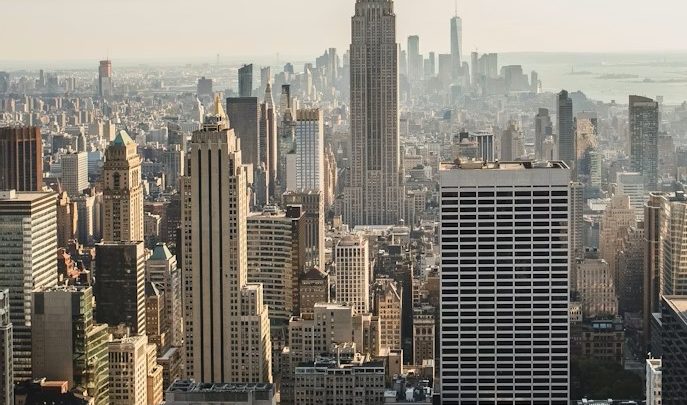
New York City’s skyline is defined by its buildings, many of which are decades old and facing growing challenges from aging infrastructure and climate change. To protect both public safety and environmental health, New York City (New York) has enacted a suite of local laws requiring building owners to improve durability and efficiency. While these laws can be complex to keep up with and come with harsh penalties for non-compliance, expert solution providers, like QEA, can make the roadmap to sustainability and compliance seamless and achievable for building owners.

New York City Local Laws Driving Energy Efficiency and Building Sustainability

Buildings are the single largest source of greenhouse gas emissions in New York – nearly 73% of the city’s emissions come from the energy used to heat, cool, and power buildings. Most large buildings in New York are decades old (on average 60-70 years) and were not built with modern energy standards in mind. To meet New York’s climate goals, a 40% reduction in GHG emissions by 2030 and 80% by 2050, relative to 2005 levels, the city enacted a series of local laws targeting energy efficiency and carbon reduction in existing buildings. Key among them are:

Local Law 85 (Energy Conservation Code Compliance)

Local Law 85 ensures that whenever you renovate or alter a building, you must comply with the latest Energy Conservation Code. Now any renovation or alteration requires the project to meet current energy code requirements for insulation, lighting, mechanical systems, etc. For building owners, this might mean higher upfront costs for higher performing windows during a renovation, but significant cost savings in the long run through a more energy efficient building.

Local Law 87 (Energy Audits and Retro-Commissioning)

Local Law 87 (LL87) requires that large buildings undergo a professional energy audit and retro-commissioning every 10 years. An energy audit (typically ASHRAE Level II) is a systematic analysis of a building’s energy use and systems to identify cost-effective efficiency improvements. The goal is to give owners actionable insights into how to save energy and money across their portfolio, beyond the raw data of benchmarking. Many buildings have found low-hanging fruit (like sealing leaks) that quickly pay back the audit costs in saved utility bills. Compliance with LL87 often uncovers operational improvements that enhance a building’s performance and value.

Local Law 97 (Building Emissions Limits)

Enacted in 2019 as part of the Climate Mobilization Act, Local Law 97 (LL97) sets annual greenhouse gas emissions caps for buildings over 25,000 square feet. The law covers roughly 50,000 buildings across commercial and residential sectors. Compliance increases over time, and by 2030 the caps will cover 75% of buildings across the city, forcing deep retrofits and more energy efficient maintenance choices for large buildings. The goal is net zero emissions by 2050, meaning nearly all fossil fuels used in buildings must be eliminated or offset.

LL97 is considered one of the most ambitious building climate laws. Many buildings will need deep retrofits, especially by the 2030–2034 phase when carbon emissions limits tighten sharply. The city estimates that as of 2023, about 8% of buildings are over the 2024 limits, but 57% would be over the 2030 limits without improvements.

For a property owner, compliance can seem costly, but the cost of inaction is far greater. A building that doesn’t take measures to better understand and improve energy performance is likely spending more on fuel and electricity than necessary. Additionally, large corporate tenants often have their own carbon reduction targets and may shy away from buildings that will blow their carbon budget. A compliant building can market its resiliency and efficiency as selling points: cheaper to heat and cool, better for occupants, less likely to spring leaks or outages, and avoiding penalties for non-compliance.

How QEA’s Building Envelope Assessment and Retrofit Planning Services Enable Compliance

Achieving compliance can be complex, but innovative technology is proving incredibly valuable. QEA is at the forefront of this movement, providing detailed, precise building envelope audits using patented AI software, drones, and thermography. These assessments provide building owners with the exact insights needed to meet compliance obligations more effectively and identify the most impactful building upgrades.

The building envelope, the outer structure of the building, is often overlooked in traditional energy audits, yet it’s critical for both building sustainability and efficiency. Improving building envelopes is considered the most effective way to reduce the thermal needs of buildings, with envelope retrofits enabling upwards of 30% in energy savings.

QEA ’s solution deploys industrial drones equipped with high-resolution (8K+) thermal and visual cameras to scan entire buildings, collecting thousands of high-resolution, close-proximity images across the building envelope. This data is then processed and analyzed by QEA’s proprietary AI models that are built off of the largest database on the thermal performance of building envelopes. This approach yields a detailed thermal map of a building’s surface, pinpointing with sub-inch accuracy a number of issues such as missing insulation, leaky window frames, and moisture penetration. QEA’s audit can help spot not just visible degradation but also areas of potential façade failure like hidden moisture, delamination, or hazardous ice buildup.

QEA’s audits go beyond qualitative analysis, incorporating proprietary methods to quantify energy loss and forecasted savings for each square inch of the building envelope – accurately measuring megawatt-hours of energy loss, tons of carbon emissions, forecasted energy and emissions savings, and actual effective R-values. QEA’s methodology ensures real energy measurements, rather than assumptions based on theoretical models.

QEA has previously helped cities gather the data needed to meet pressing climate goals and tailor energy policy planning. For example, QEA’s audit of 190 buildings for a large city found that on average building envelopes were performing 75% worse than current building code standards, and that upgrading them could avoid 56% of the heat loss (and corresponding GHG emissions) those buildings were experiencing.

Importantly, QEA’s solution prioritizes actionable recommendations by calculating how much energy is being lost at each defect, how much can subsequently be saved through targeted retrofits, and the ROI of completing each retrofit. QEA’s retrofit solution partners can help buildings implement the recommended retrofits, simplifying the upgrade process and making it easier to meet regulations. From large hospitable campuses, apartment buildings, airports, library branches, and more, QEA has the experience to help owners of all building types cost-effectively meet regulation requirements.

Enabling Better Buildings Across New York

By understanding the local laws and embracing the solutions at hand, building owners and stakeholders can not only meet mandates but derive value from them, through safer buildings, lower operating costs, and more sustainable communities. The experience of firms like QEA in New York shows that with data, innovation, and commitment, even the oldest skyscrapers can shine green.

Unlocking Sustainable Success: How QEA Tech Helps Achieve BOMA BEST

Sustainability is essential to optimizing building performance, ensuring efficiency and comfort. However, navigating how to effectively implement building sustainability measures can be overwhelming, with an abundance of different green initiatives and solutions to focus on. The BOMA BEST program is helping to ease this process for building owners and managers, offering a clear framework on how to assess and improve sustainability for all building types. Managed by the Building Owners and Managers Association (BOMA), BOMA BEST encourages smart, sustainable solutions for existing buildings. Since its launch in 2005, BOMA BEST has grown into North America’s largest environmental assessment and certification program for existing buildings.

Who Can Apply?

To be eligible for BOMA BEST certification, a building must have been operational for at least 12 months. The program covers a broad range of commercial building types including:

1. Office Buildings

2. Enclosed Shopping Centres

3. Health Care Facilities

4. Light Industrial Properties

5. Multi-Unit Residential Buildings

6. Open-Air Retail

7. Universal

Two Paths to Certification: BOMA BEST Sustainable vs Smart

BOMA BEST Sustainable

This stream focuses on the environmental and operational sustainability of a building. Promoting the continuous improvement of building operations and maintenance, it guides owners and operators on how to decarbonize, reduce water and waste, retrofit, and prepare against climate risk. Certification is achieved through a structured questionnaire that covers:

1. Energy and Carbon

2. Water

3. Indoor Air Quality & Hazards

4. Accessibility & Wellness

5. Custodial & Waste

6. Resilience & Site Planning

💡 How QEA Tech Can Help

QEA Tech has a strong track record for helping clients achieve the energy and carbon related requirements of this certification. Detailed and accurate data on the energy consumption and carbon emissions of a building is essential to achieving this certification with the completion of building envelope assessments, deep energy and carbon retrofit studies, quantification and benchmarking of carbon emissions, and third-party certification of a building’s energy use and carbon emissions being required. The implementation of low-cost envelope retrofits and evidence of improved energy efficiency due to these measures is also necessary for full certification. QEA Tech’s AI-powered building envelope audits can play a critical role in helping buildings achieve the BOMA BEST Sustainable certification by offering:

Proprietary AI-driven assessments that deliver precise data on energy loss, carbon emissions, and actual effective U-values for the entire building envelope.

Exact identification of a wide range of building envelope issues.

Custom, tailored retrofit recommendations with details on potential energy savings, implementation cost, and payback periods.

Post-retrofit verification audits to provide evidence of improved energy efficiency and reduced carbon emissions.

BOMA BEST Smart

As buildings embrace new and innovative technologies, BOMA BEST Smart was created to guide the digital transformation of buildings, supporting the integration of intelligent systems to drive sustainability, enhance tenant experiences, and deliver better financial value.

Focus areas included in the questionnaire for this certification include:

1. Security and Safety

2. Operations and Management

3. Network and Systems Integration

4. End-User Experience

5. Reporting and Analysis

💡 How QEA Tech Can Help

QEA Tech supports deliverables required for the Smart certification by providing:

Energy efficiency analytics and reporting related to building envelope energy loss.

Carbon emissions reporting, detailing the total carbon emissions for each building envelope element as well as the total amount of preventable emissions throughout the envelope.

QEA Tech’s use of AI software and drones allows for our audits to be highly scalable and non-intrusive, allowing for building owners to meet the sustainability reporting requirements for their portfolio efficiently and cost-effectively.

Understanding the Levels of Certification

BOMA BEST awards certifications based on a building’s performance across several benchmarks. The better a building performs on the detailed questionnaire, the higher the level of certification it can achieve. Certifications range from:

Baseline: 0%–29% of questionnaire requirements completed.
Bronze: 30%–59% of questionnaire requirements completed.
Silver: 60%–79% of questionnaire requirements completed.
Gold: 80%–89% of questionnaire requirements completed.
Platinum: 90%–100% of questionnaire requirements completed.

Baseline practices (minimum requirements for all buildings) must be met to achieve any level of certification. There are 12 baseline practices for the Sustainable Buildings Certification and 5 baseline practices for the Smart Buildings Certification, with baseline practices being listed at the beginning of each respective questionnaire.

Next Steps for Pursuing BOMA BEST

Whether you’re focused on cutting costs, digitizing building operations, or achieving sustainability goals, BOMA BEST provides guidance on the steps necessary to achieve optimal building performance. Contact QEA Tech to learn more about how we can support your BOMA BEST certification and get a free quote on a building envelope audit.

Toronto Announces New Energy and Water Reporting Requirements

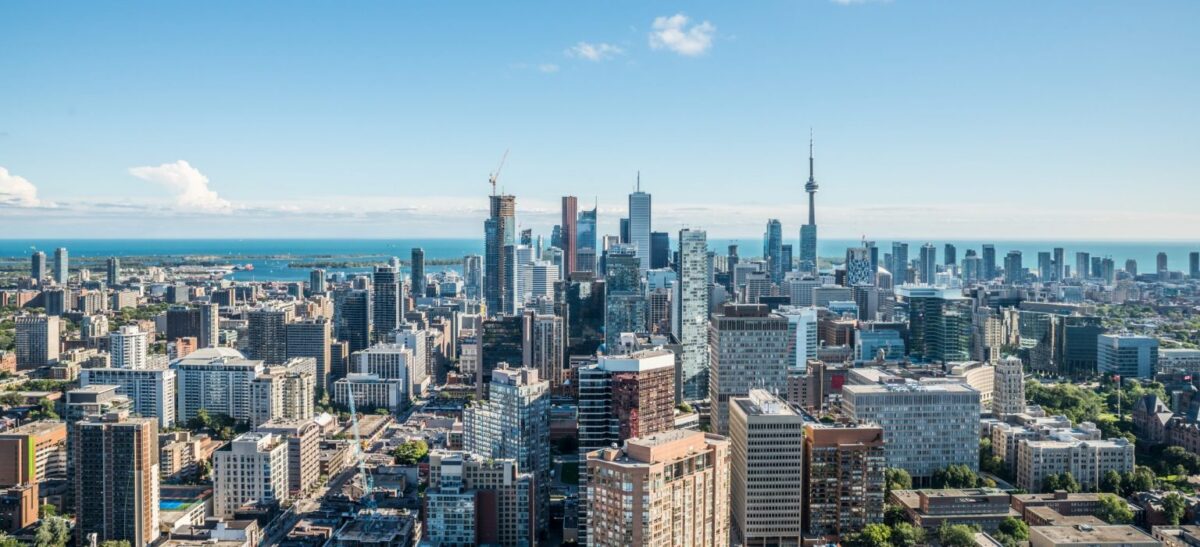
The City of Toronto has recently introduced new energy and water reporting requirements for building owners in the city, with the goal of improving the sustainability of Toronto’s buildings. By July 2, 2024, buildings that are 50,000 square feet or larger, which accounts for around 7500 buildings, will have to report their energy and water use for the 2023 year. 

Starting in 2025, the reporting requirements will extend to buildings that are 10,000 square feet or larger. Building owners will have to report on data such as electricity use, natural gas use, district energy use, and water use. These reporting requirements will allow building owners to keep track of their building’s performance, benchmark their performance against similar buildings, and save money by understanding their building’s energy and water usage. Such data will also aid the City in designing programs and policies that support property owners in improving the energy and water efficiency of their buildings. Requirements such as these and the data that they provide are necessary for Toronto’s built environment as buildings are the largest source of greenhouse gas emissions in the city, representing more than half of GHG emissions in Toronto.

The reporting requirements build off of Toronto’s Existing Buildings: Net Zero Strategy, which aims to lower GHG emissions from buildings to net zero by 2040. Key policy actions the City will take to implement this strategy include:

1. Requiring building owners in Toronto to annually report their building’s GHG emissions performance.

2. Requiring building owners to conduct energy and emissions audits to inform retrofit roadmaps.

3. Reducing the costs and time associated with building retrofits.

The new energy and water reporting requirements are just one of many stepping stones in achieving the City’s goal of net zero emissions from buildings. There are a number of initiatives led by the City of Toronto that encourage building owners to analyze the energy performance of their buildings and take on retrofits. Through the Better Buildings Partnership, Toronto provides various programs that support building owners in improving the energy efficiency of their buildings. Some of these programs include:

Toronto’s Deep Retrofit Challenge

This is a competition-style program in which select buildings in Toronto will undergo a deep-retrofit to aid in the reduction of their GHG emissions. Projects will be completed by early 2025 and will be followed by a one-year post-retrofit performance evaluation.

Energy Retrofit Loans

The cost of retrofits can often be what holds building owners back when it comes to making energy efficient changes. However, the City’s Energy Retrofit Loan program offers the financing building owners need to invest in low-carbon, energy efficient capital improvements. All building types in Toronto are eligible for these loans and a vast number of building retrofits are eligible, such as building envelope improvements.

High-Rise Retrofit Improvement Support Program

This program provides low-cost financing for owners of residential apartment buildings who want to invest in energy and water consumption improvements. Buildings that are three storeys or more and were built before 1990 qualify. The program lets building owners pay for retrofits over time, allowing them to use associated energy, water, and operational savings to offset costs. Building improvements that qualify include window/ door caulking, exterior wall cladding, insulated roofing and more.

The City’s new reporting requirements and the various energy efficiency focused programs listed above are necessary mechanisms in the urgent task of decarbonizing Toronto’s built environment. Energy auditors such as QEA Tech make it seamless for building owners to meet these new requirements by providing in-depth data on the energy consumption of the building envelope.