

- Featured
- Insights
- Prop Tech
- Retrofit Plans
Better Building Envelopes Strengthen Insurance Risk Profiles
September 4, 2026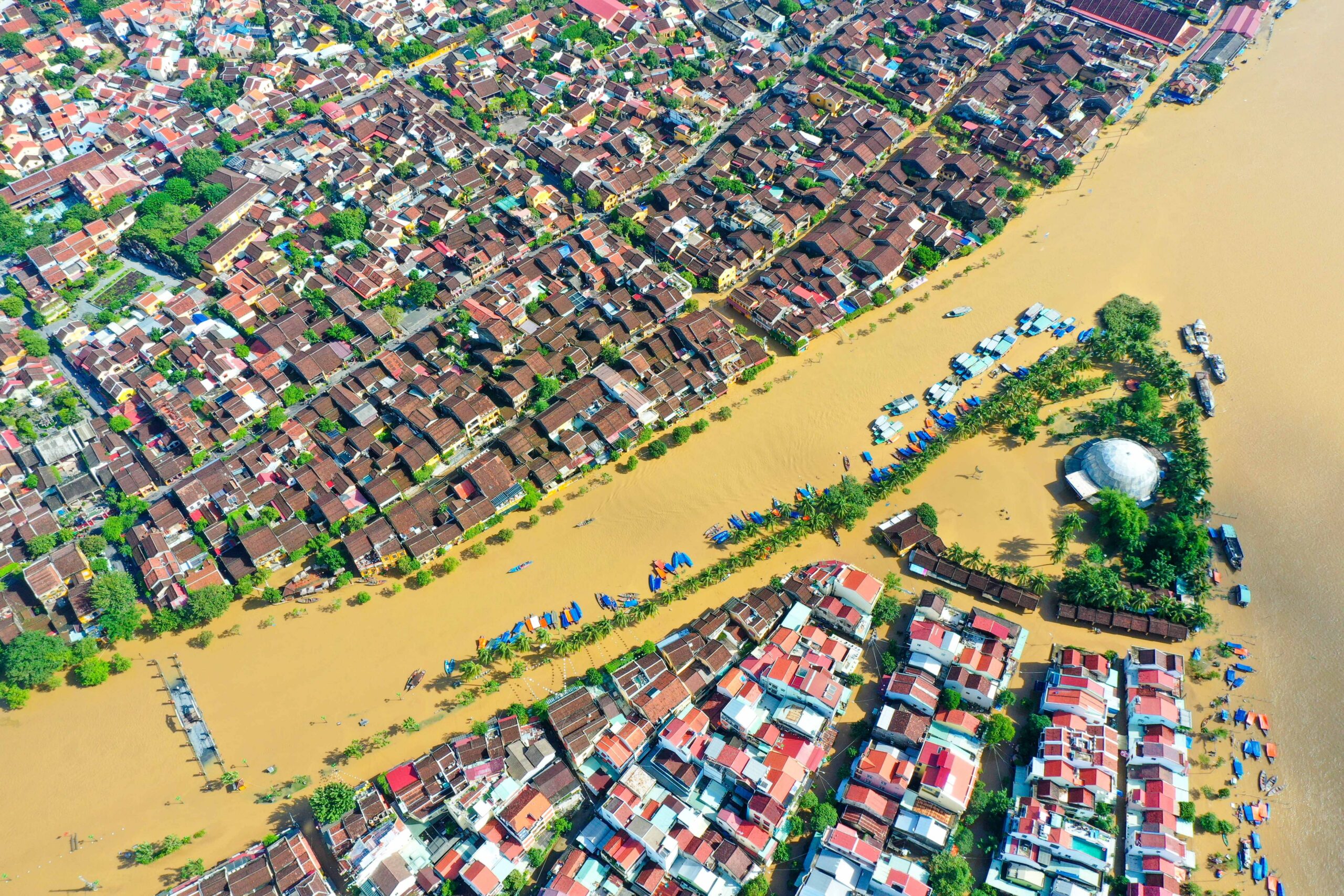
As insurers respond to rising climate-related losses and gain access to more sophisticated asset-level data, the physical condition and resilience of individual buildings are becoming increasingly important to underwriting. For property managers, this creates another reason to understand, document and improve building envelope performance. A resilient, well-maintained building envelope can contribute to a stronger insurance risk profile and, in the right circumstances, better insurance outcomes.
Importantly, resilience measures do not automatically translate into lower premiums. Insurance pricing depends on many factors. But demonstrating that a property is proactively reducing its exposure to climate-related losses can impact insurers willingness to quote, deductible amounts, and coverage terms.
Climate Resilience Is Becoming an Insurance Issue
The connection between building performance and insurance is becoming more significant as climate-related losses increase. Flooding, wildfire, extreme heat, hail, wind and severe storms are increasingly incorporated into property risk assessments. In markets exposed to severe climate scenarios, property managers may encounter higher deductibles, reduced insurance capacity, or more restrictive coverage and the response cannot simply be to shop for another insurer.
Insurance Is Becoming More Building-Specific
Commercial property underwriting relies on the COPE (Construction, Occupancy, Protection and Exposure) framework which details physical building attributes that improve insurability:
Construction: Considers characteristics such as the quality and fire-resistiveness of building materials.
Occupancy: Accounts for how the property is used and the hazards associated with those operations. For example, an office tower has a lower occupancy hazard than an industrial waste disposal plant.
Protection: Includes measures such as sprinkler systems, alarm systems for wear and tear on equipment, and building maintenance programs.
Exposure: Considers external risks, including neighbouring properties, proximity to water, climate conditions and whether a property is located in an urban, rural or remote environment.
Those fundamentals remain important. What is changing is the level of detail available to insurers.
Underwriters increasingly have access to catastrophe modelling, GIS-based property information, climate models and AI-generated actuarial data. Instead of relying as heavily on historical portfolio averages, insurers can evaluate risks at the individual asset level.
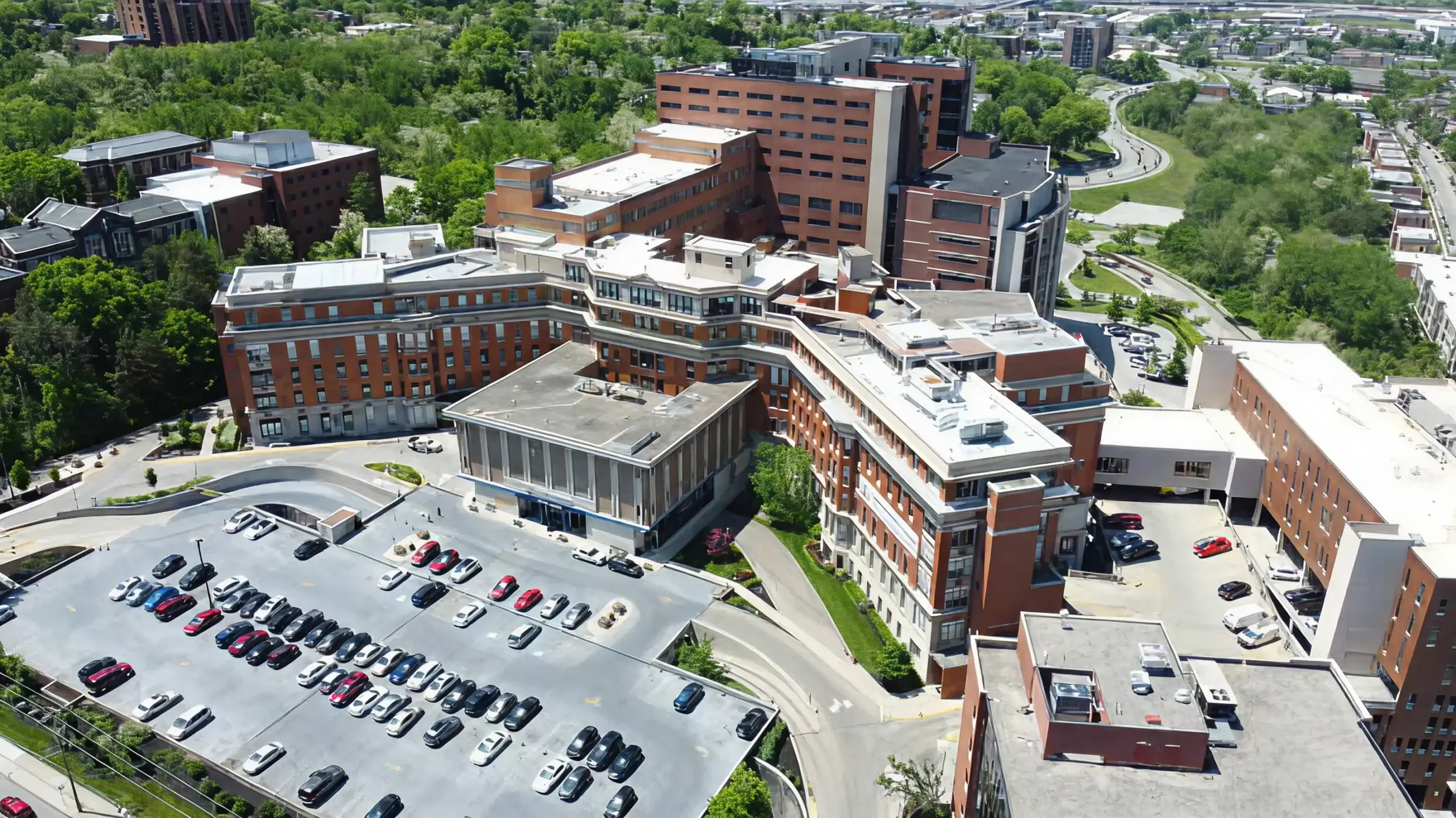
A building’s precise location, building envelope characteristics, exposure to severe weather, flood susceptibility and other physical attributes can increasingly contribute to its risk profile. For property managers, this means two otherwise similar buildings may produce very different insurance outcomes based on how well each has identified and mitigated its vulnerabilities. Property managers need to demonstrate how their buildings have been adapted to the risks associated with its location. Depending on the property, this could include hail or wind-resistant roofing, non-combustible materials and upgrades to vulnerable building envelope assemblies.
This represents an important shift in capital planning. The question when considering building maintenance becomes not simply, “How much will this upgrade save?” but “What risks will this investment remove from the asset?”.
The Building Envelope Is at the Front Line of Loss Prevention
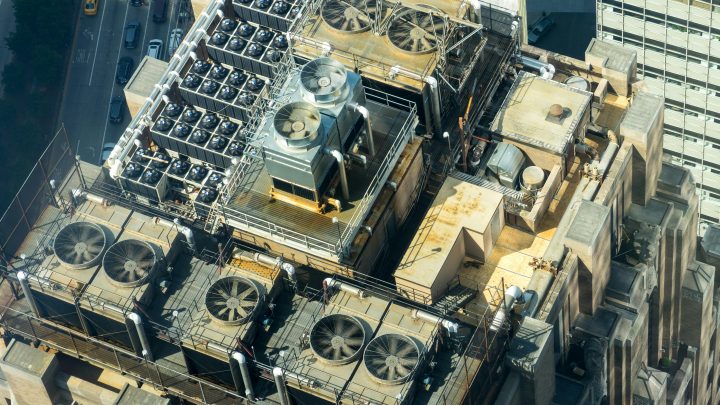
The building envelope acts as the barrier separating the conditioned interior from the exterior environment, and is therefore directly exposed to many of the climate hazards becoming more important to insurers.
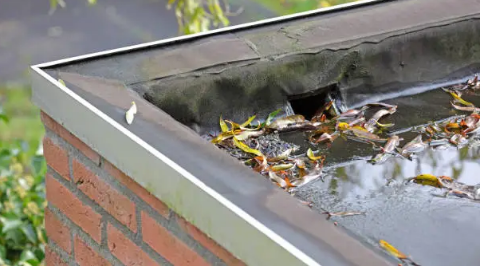
Climate hazards such as flooding and severe storms can worsen building envelope weaknesses that may initially be difficult to see. A roof defect can allow water to seep into the building, damaging equipment, disrupting tenant operations, and creating environments for mold growth. Small cracks on the wall can lead to moisture intrusion and potentially parts of the building façade falling. Deferred building envelope maintenance can cause relatively minor deficiencies to develop into substantially larger problems, making building envelope performance important to insurance and risk management.
From Reactive Repairs to Documented Risk Reduction
Insurers will reward evidence of effective risk management more than statements of intent. A property manager saying that a building is “well maintained” provides limited underwriting information. A manager who can demonstrate when the building envelope was assessed, what deficiencies were identified, which repairs were completed and how conditions are being monitored provides tangible evidence of effective risk management practices.
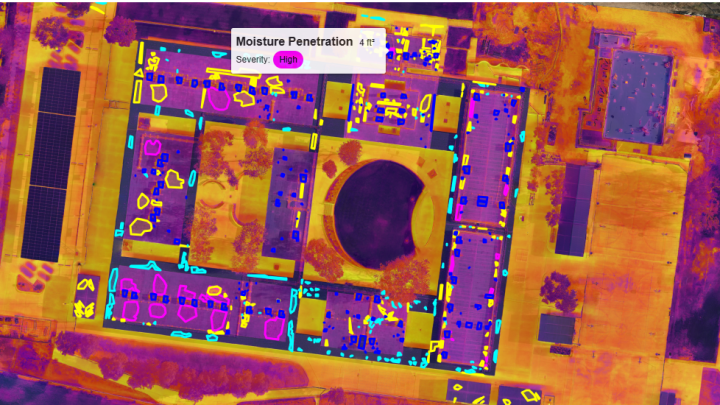
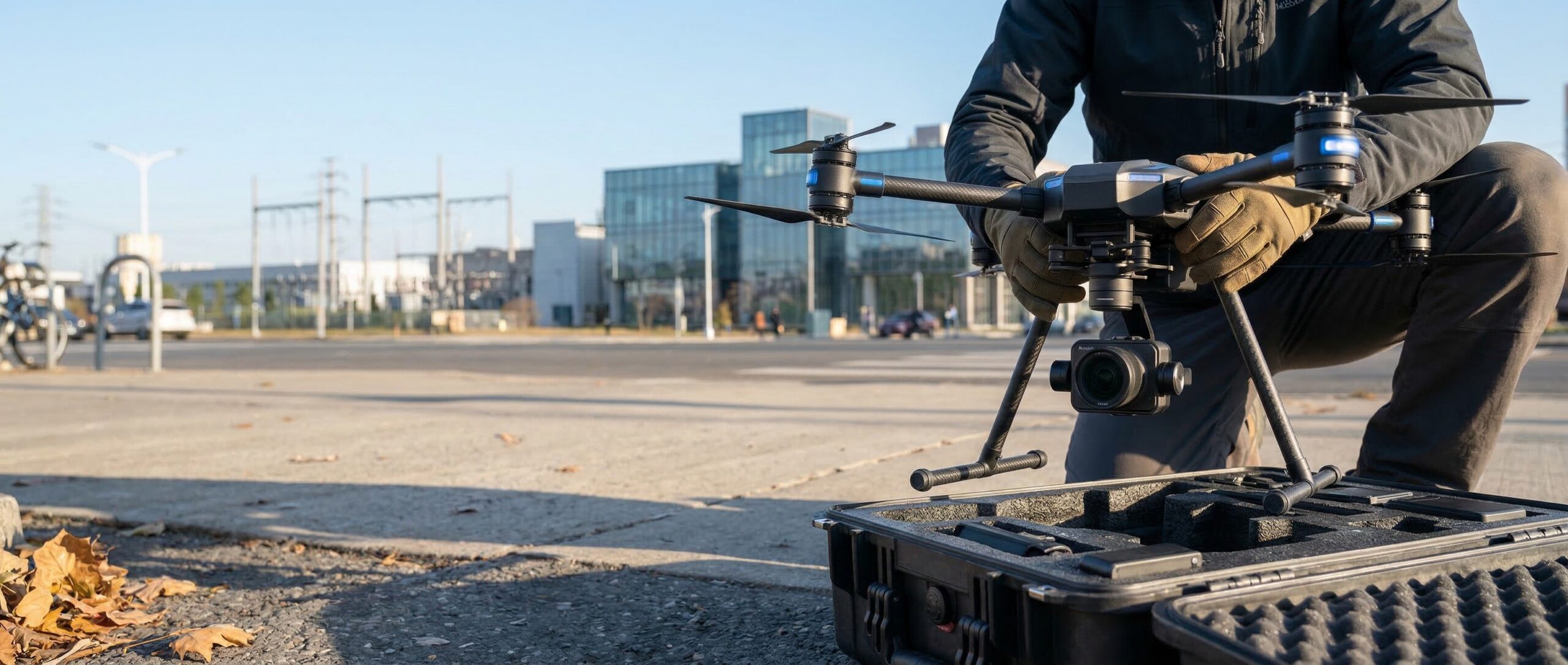
This is where proactive building envelope assessments can play an important role. For example, QEA’s building envelope intelligence platform efficiently scales across large building portfolios, pinpointing the exact location of a wide variety of building envelope risks and helping property owners identify deficiencies before they develop into costly problems. QEA also ranks these issues by severity and provides actionable retrofit recommendations to address specific building envelope needs.
By identifying areas that warrant further investigation or corrective action, assessments such as QEA’s establish a clearer picture of asset condition and support informed maintenance and capital planning. Repeating assessments over time can also provide evidence that identified risks are being actively managed rather than deferred. This documentation can become part of a broader risk-management package presented to brokers, insurers, lenders and investors.
Climate Related Policies Are Raising Expectations for Better Data
The regulatory environment is reinforcing this movement toward better climate-risk information. For example, Canada’s climate-risk and sustainability reporting landscape is increasing expectations for organizations to understand and document climate risks. For insurers, OSFI’s Guideline B-15 establishes expectations around the governance and management of climate-related financial risks. The guideline requires federally regulated financial institutions to report on Scope 1-3 GHG emissions and achieve:
Financial Resilience: Institutions must remain financially and operationally resilient through severe climate risk scenarios.
Governance and Accountability: Institutions require a governance structure that holds senior management accountable for climate risk management.
Risk Management Integration: Institutions are required to incorporate climate-related risks into their business models and strategies.
If insurers do not comply with these guidelines, they face costs such as being barred from accessing industry level insurance data, restrictions placed on the type and size of business they can write, and financial penalties.
For insurers with large building portfolios, proving climate risk management is a significant task. As a result, many insurers are offloading the task to property managers, requiring them to compile the data needed to meet guidelines.
Property managers who already maintain credible records of building envelope conditions, resilience improvements, preventative maintenance and capital investments will be better positioned to accommodate increasingly stringent climate regulations.
A Practical Risk-Reduction Strategy for Property Managers
Climate risk resilience is no longer optional for property managers to consider, it determines whether assets are insurable, financeable, and competitive.
The strongest approach to risk reduction brings insurance, maintenance and capital planning together rather than treating them as separate exercises.
Property managers can start by understanding their property’s COPE characteristics and location-specific climate exposures. From there, they can assess the condition of critical systems—including the building envelope—and identify vulnerabilities before significant losses occur. Managers should also maintain records of assessments, completed repairs and upgrades.
The result is a stronger narrative supported by evidence: we understand this building’s risks, we know where its vulnerabilities are, and we are actively reducing them.
Turn envelope data into actionable retrofit plans that cut costs, reduce carbon, and improve efficiency at scale.
Subscribe to Get Our Latest Updates





- Adaptive Reuse
- AI
- Insights
- Retrofit Plans

- AI
- Insights
- Retrofit Plans

- AI
- Certification
- Energy Efficiency
- Insights
- Retrofit Plans

- AI
- Energy Efficiency
- Featured
- Insights
- Retrofit Plans
- AI
- Featured
- Measurable 3D Models
- Retrofit Plans
- Roofs
- AI
- Insights
- Retrofit Plans
- Roofs
- AI
- Energy Efficiency
- Featured
- Retrofit Plans

- AI
- Energy Efficiency
- Insights
- Retrofit Plans

- AI
- Measurable 3D Models
- Retrofit Plans
- AI
- Energy Efficiency
- Insights
- Retrofit Plans

Get the Full Story
Enter your details to access the complete case study and see how data-driven retrofits deliver measurable results.