Accelerating Toronto’s Net Zero Goals through Prop Tech Innovation

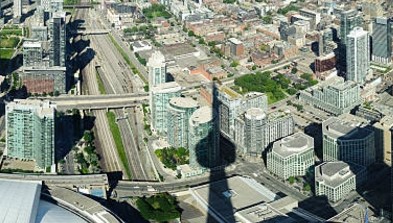
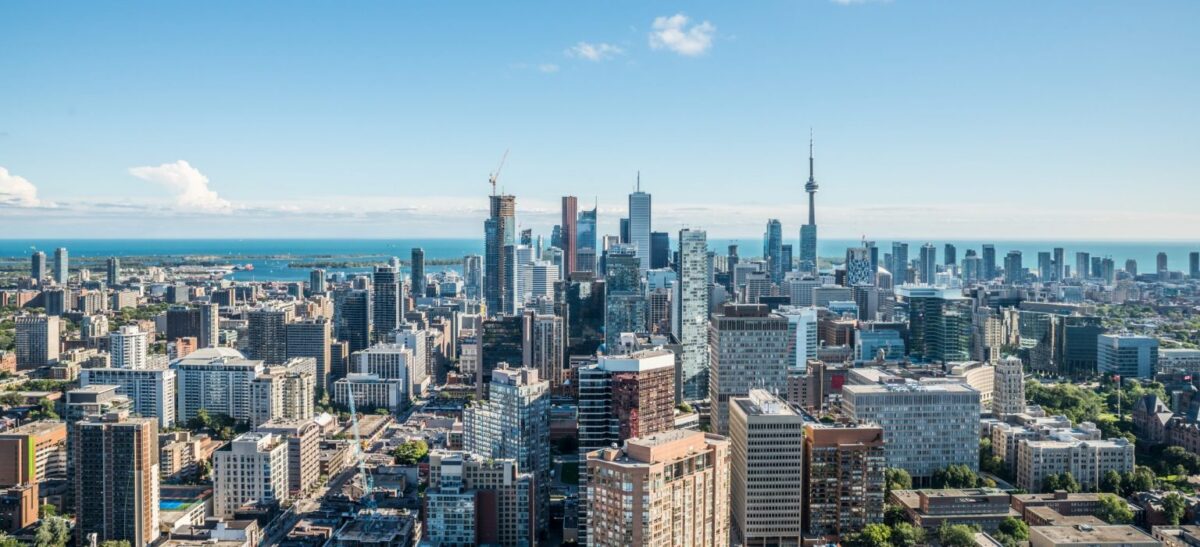
2024 is on pace to be the hottest year on record globally, beating out records set in 2023. Toronto is no stranger to the ever-present effects of climate change, with increases in the frequency and intensity of heat waves across the city. Buildings are the largest contributor to greenhouse gas emissions in Toronto, accounting for a significant 56% of emissions. As the city pushes toward its ambitious goal of achieving net zero emissions by 2040—transforming how buildings are designed, constructed, and retrofitted is essential.

Toronto’s Net-Zero Building Strategies

The City of Toronto has introduced policies to encourage the decarbonization of its building stock through its Existing Buildings: Net Zero Strategy and the Toronto Green Standard. The Existing Buildings: Net Zero Strategy focuses on making retrofits more accessible to building owners through expansion of retrofit financing and streamlining of the retrofit approval process. Aggressive and pragmatic retrofit measures are needed considering an estimated 476,000 homes and buildings in Toronto must be retrofitted to meet net zero by 2040. This requires a staggering pace of 27,400 residential retrofits and thousands of commercial, industrial, and institutional upgrades annually through 2040. The Toronto Green Standard targets new builds, setting out sustainable design and performance requirements for new developments.

Challenges on the Road to Net Zero

Many stakeholders in the buildings industry have concerns that increased regulations related to net zero goals will delay construction, translating to fewer buildings being built, in turn exacerbating issues such as housing affordability. Meanwhile, many building owners are still hesitant to retrofit their buildings as it is viewed as too expensive with uncertain return on investment.

Leveraging Innovative Technology as a Solution

The buildings industry is booming with cutting-edge technologies that support the adoption of green building practices. For example, QEA Tech uses sophisticated AI models to quantify energy loss for every square inch of the building envelope and pinpoint specific causes of energy loss within the envelope. This level of detail enables our technology to recommend retrofit solutions that are customized to the energy loss issues of a specific building, ensuring that building owners can maximize both energy savings and return on investment. This makes retrofit planning and implementation a much more affordable process for building owners, allowing them to prioritize retrofits based on areas of energy loss. Furthermore, QEA Tech creates a measurable 3D digital twin of the building that enables detailed visual inspections of the building envelope. In addition to evaluating issues and risks on existing buildings, the measurable digital twin enables builders to monitor the progress of their construction projects in real time, increasing efficiency and mitigating against project delays.

Financial Benefits of Green Building Practices

Sustainable building practices can yield long-term financial and environmental returns. For example, a 29-story condominium in Etobicoke was built with energy efficiency prioritized. The building benefits from a 41% reduction in energy use compared to its conventionally built sister building and saves a notable $125,000 a year in energy costs. Additionally, QEA Tech recently analyzed a Toronto-based Hospital which had undergone building envelope retrofits. Annual energy costs for retrofitted windows were 29% lower compared to old windows and 82% lower for retrofitted walls compared to old walls.

Building a Greener Future

Toronto’s path to net-zero hinges on a collective commitment to green construction and retrofitting existing buildings. While challenges persist, adoption of innovative technology can bridge gaps, ensuring progress without compromising affordability and efficiency.

Visit QEA Tech’s booth (#653) at The Buildings Show, occurring December 4-6 at the Metro Toronto Convention Centre, to learn more about how our AI-driven building envelope energy audits can make planning and developing green buildings a seamless process.

Roofing Retrofits: Solving Moisture Penetration and Enhancing Energy Efficiency

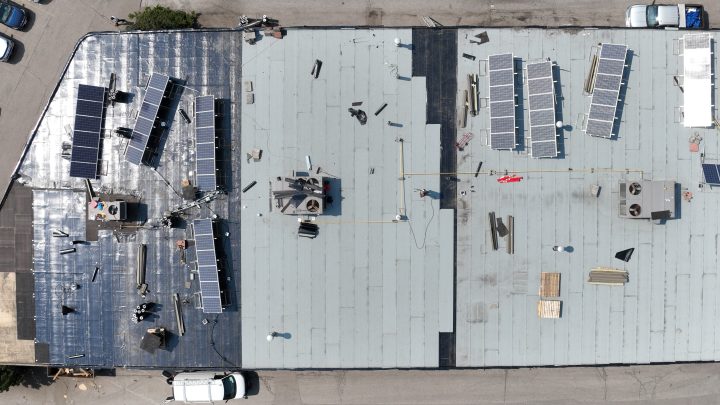
The roof is critical in protecting buildings from weather elements, improving the energy efficiency of buildings, and maintaining occupant comfort. In a recent commercial property that QEA Tech analyzed, a comprehensive roofing retrofit was completed to address multiple leaks. The building includes office space at the front and a warehouse at the back.

Causes of the Leaking Roof

The leakage was largely caused by water accumulating on the roof of the building due to blocked drainage systems. This was a result of improper roof maintenance, causing debris to collect on the roof and trap moisture which eventually penetrated through roofing materials. Additional factors that contributed to moisture penetration of roofing materials include:

1. The old age of the building, which resulted in the deterioration of roofing materials and sealants.

2. Cold weather causing water that has seeped into the roofing membrane to freeze and expand, exerting pressure on building materials and leading to the creation of small gaps. These gaps create additional paths for moisture to enter the building.

3. Improperly sealed solar panels on the roof which allowed water to seep into the building.

Retrofitting a Leaky Roof

To address this pressing issue, a thorough roofing retrofit was completed within 4 weeks. The retrofit consisted of:

1. Removing the existing, worn-out roof membrane.

2. Installing a multi-layer system:

Insulation layer: Firstly, an insulation layer was added to retain heat within the building and improve energy efficiency.
Weather barrier: A weather barrier was added to protect the insulation, prohibiting water from penetrating through to the insulation.
Protective tar layer: A tar layer was added using heat to ensure it melted and adhered properly. This layer was added to provide an additional barrier against water.
Bitumen layer: Bitumen was added, acting as a final layer of robust protection against weather elements like rain and snow.

Benefits of the Retrofit

Since the retrofit was completed, utility bills for the building decreased by over 10% annualized. This retrofit will increase the lifespan of the building’s roof, with the layers added shielding it properly from weather elements. Increasing the lifespan of the roof also reduces costs in the long run by reducing the frequency in which roofing materials need to be replaced.

Signs Your Roof Needs a Retrofit

To mitigate moisture-related roof issues, building owners should remain vigilant for signs of:

Moisture penetration on the roofing tiles: In late stages where the issue has progressed to greater severity, this can be identified by water spots on the ceiling. This requires immediate action as the longer the water sits and pools, the more damage it will do to the building. Water spots on the ceiling were the main sign that the roof of the commercial building retrofitted was not in good shape to prevent leaks from occurring.

Mold and mildew: Mold or mildew can be a sign of water that has become trapped beneath the roofing membrane and requires immediate action in order to maintain occupant health and safety.

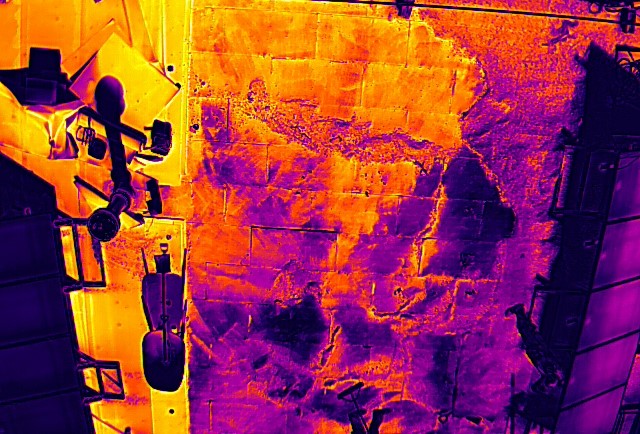
Using AI and thermography, moisture-related issues on the roof can be detected early on before they develop into expensive problems.

Thermal image taken of the roof prior to retrofits.

Preventive Measures

All building types can take the following measures to prevent moisture-related issues on the roof:

Regular Inspection and Maintenance: Conduct regular inspections of the roof to identify signs of moisture accumulation, damaged tiles or shingles, or vegetation growth, and to ensure drainage systems are not blocked. Using thermography and AI analytics, QEA Tech can efficiently and cost-effectively diagnose moisture-related issues on the roof, providing insight on the severity of the issue and how to repair it.

Enhance Airflow: Install ridge vents, soffit vents, or other ventilation solutions to improve air circulation and reduce moisture buildup beneath roofing materials.

Apply roof coatings: Use roof coatings, such as silicone coatings, to create a waterproof barrier on the roof that prevents moisture from seeping through roofing materials.

Insulation: Ensuring your roof is well-insulated helps reduce moisture penetration, especially in colder climates where condensation is more likely to occur.

Qualified building envelope auditors, like QEA Tech, are an important first step in understanding the state of your building’s roof and what actions to take to fix moisture and energy efficiency issues. Contact QEA Tech today for a free quote on a building envelope audit.

Toronto Announces New Energy and Water Reporting Requirements

The City of Toronto has recently introduced new energy and water reporting requirements for building owners in the city, with the goal of improving the sustainability of Toronto’s buildings. By July 2, 2024, buildings that are 50,000 square feet or larger, which accounts for around 7500 buildings, will have to report their energy and water use for the 2023 year. 

Starting in 2025, the reporting requirements will extend to buildings that are 10,000 square feet or larger. Building owners will have to report on data such as electricity use, natural gas use, district energy use, and water use. These reporting requirements will allow building owners to keep track of their building’s performance, benchmark their performance against similar buildings, and save money by understanding their building’s energy and water usage. Such data will also aid the City in designing programs and policies that support property owners in improving the energy and water efficiency of their buildings. Requirements such as these and the data that they provide are necessary for Toronto’s built environment as buildings are the largest source of greenhouse gas emissions in the city, representing more than half of GHG emissions in Toronto.

The reporting requirements build off of Toronto’s Existing Buildings: Net Zero Strategy, which aims to lower GHG emissions from buildings to net zero by 2040. Key policy actions the City will take to implement this strategy include:

1. Requiring building owners in Toronto to annually report their building’s GHG emissions performance.

2. Requiring building owners to conduct energy and emissions audits to inform retrofit roadmaps.

3. Reducing the costs and time associated with building retrofits.

The new energy and water reporting requirements are just one of many stepping stones in achieving the City’s goal of net zero emissions from buildings. There are a number of initiatives led by the City of Toronto that encourage building owners to analyze the energy performance of their buildings and take on retrofits. Through the Better Buildings Partnership, Toronto provides various programs that support building owners in improving the energy efficiency of their buildings. Some of these programs include:

Toronto’s Deep Retrofit Challenge

This is a competition-style program in which select buildings in Toronto will undergo a deep-retrofit to aid in the reduction of their GHG emissions. Projects will be completed by early 2025 and will be followed by a one-year post-retrofit performance evaluation.

Energy Retrofit Loans

The cost of retrofits can often be what holds building owners back when it comes to making energy efficient changes. However, the City’s Energy Retrofit Loan program offers the financing building owners need to invest in low-carbon, energy efficient capital improvements. All building types in Toronto are eligible for these loans and a vast number of building retrofits are eligible, such as building envelope improvements.

High-Rise Retrofit Improvement Support Program

This program provides low-cost financing for owners of residential apartment buildings who want to invest in energy and water consumption improvements. Buildings that are three storeys or more and were built before 1990 qualify. The program lets building owners pay for retrofits over time, allowing them to use associated energy, water, and operational savings to offset costs. Building improvements that qualify include window/ door caulking, exterior wall cladding, insulated roofing and more.

The City’s new reporting requirements and the various energy efficiency focused programs listed above are necessary mechanisms in the urgent task of decarbonizing Toronto’s built environment. Energy auditors such as QEA Tech make it seamless for building owners to meet these new requirements by providing in-depth data on the energy consumption of the building envelope.

The Importance of Energy Efficient Windows

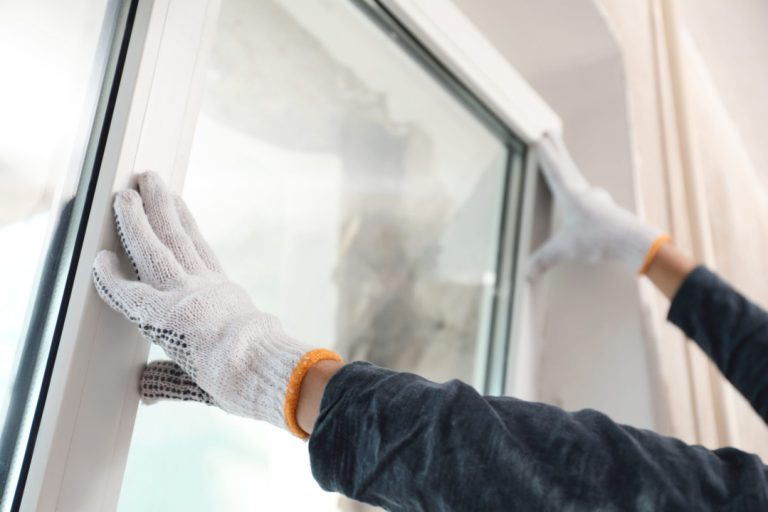
Windows can be an important means to unlocking cost and energy savings for building owners. According to the U.S. Department of Energy, windows are responsible for 8.6% of energy use in buildings. Energy efficient windows better regulate the temperature of a building, resulting in less of a reliance on heating and cooling systems and therefore decreased energy costs and carbon emissions. According to a study by the University of Florida, energy-efficient windows reduced energy use by 774 Gigawatt hours in the past 30 years, or the equivalent of 547 million metric tons of carbon emissions.

Carbon emissions and cost savings aside, energy efficient windows include additional benefits for building owners by increasing the value of a property. By helping to regulate the temperature of a property, energy efficient windows help to reduce drafts and cold spots, improving tenant comfort.

The most energy-efficient windows typically have several key features and characteristics that contribute to their performance. Some of these characteristics include:

Multiple Panes: Windows with two or three panes of glass, separated by air or gas-filled spaces, provide better insulation compared to single-pane windows. Double-pane windows, also known as dual-pane windows, and triple-pane windows enhance thermal performance by reducing heat transfer through the glass.

Gas Fills: In between the panes of insulated glass, inert gases like argon or krypton can be filled to improve insulation performance. These gases have higher insulating properties compared to regular air, reducing heat transfer through the window.

Low-E Coatings: Low-emissivity (low-E) coatings are thin, virtually invisible layers applied to window glass. These coatings help to reflect infrared heat while allowing visible light to pass through. Low-E coatings improve energy efficiency by minimizing heat gain in warm climates and heat loss in cold climates.

Insulated Glass Units (IGUs): IGUs consist of multiple glass panes sealed together, with insulating spacers in between. These units can incorporate low-E coatings, gas fills, and specialized frames to enhance energy efficiency by reducing heat transfer and improving thermal insulation.

Warm Edge Spacers: Warm edge spacers are used in insulated glass units to separate the glass panes and provide a thermal break. They help minimize heat loss at the edges of the window, reducing condensation and improving overall energy efficiency.

Frame Materials: Window frames made from energy-efficient materials, such as vinyl, fiberglass, or wood with thermal breaks, offer better insulation properties compared to aluminum frames. Insulated or composite frames can help reduce heat transfer and enhance overall energy efficiency.

Other, more easily applicable methods that contribute to the energy efficiency of windows include:

1. Proper window placement or orientation

2. Incorporating overhangs, awnings, or shading devices

3. Window treatments such as blinds, curtains, or shades

4. Options for natural ventilation, such as operable or tilt-and-turn windows, allow for increased airflow and can facilitate cross ventilation that reduces the need for mechanical cooling systems

To ensure the efficacy of energy efficient windows, there are several energy performance ratings to look out for. The U-value measures how well a window prevents heat from escaping, with lower U-values reflecting a more energy efficient window. The Solar Heat Gain Coefficient (SHGC) determines how well a window blocks heat from the sun. A good SHGC is dependent on the climate, with a lower SHGC suiting hot climates better. The Air Leakage Rating detects how well a window prevents air infiltration. Energy efficient windows should have an air leakage rating of 0.3 or below.

QEA Tech’s building envelope audits provide accurate and reliable data on the energy performance of windows, enabling targeted window replacements and retrofits that maximize energy savings and return on investment. Further, there are new innovations on the market such as window inserts that can avoid the costs of replacing windows. For example, our partnership with INOVUES allows for non-invasive glass inserts that cut installation costs and time as a result of INOVUES’ patented insulating glass retrofit technology.

With both economic and environmental benefits to reap, updating to energy efficient windows is a win-win scenario. Consulting with professionals like QEA Tech to quantify the energy loss and pinpoint issues within windows will help in making informed decisions about the possibilities of energy efficient windows for a particular building.

A Path to a Sustainable Chicago through Building Retrofits

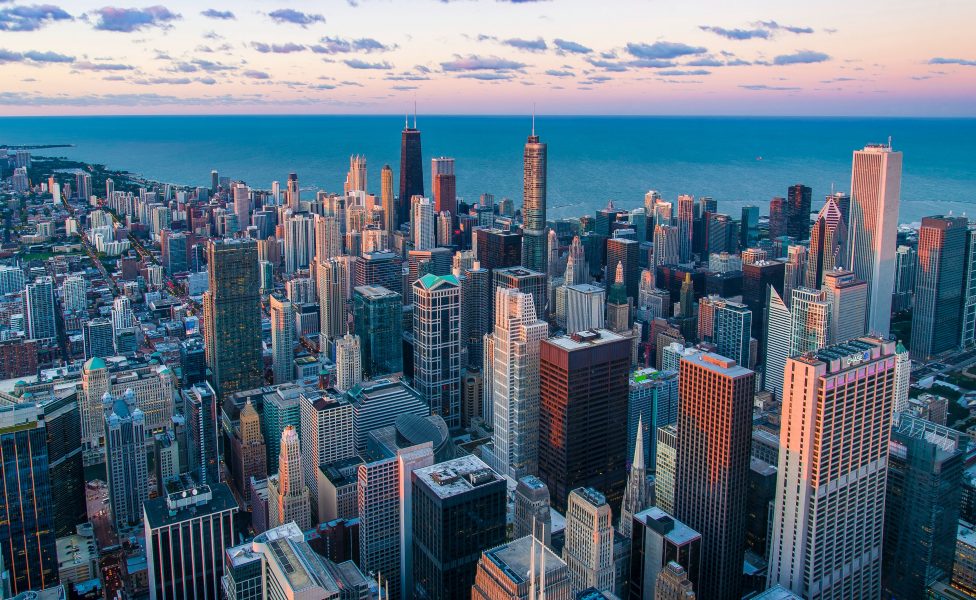
With approximately 23,000 commercial, institutional, and industrial buildings sprawled across the city, it is no surprise that Chicago’s built environment contributes to almost 70% of the city’s greenhouse gas emissions. That is why decarbonizing this sector is essential to meeting Chicago’s goal of reducing citywide greenhouse gas emissions by 62% by 2040. The City has already taken tangible measures to tackling the excessive emissions produced by buildings, such as its long overdue revamp of its building codes in 2019. This update to the city’s building codes included policies such as adopting the International Building Code’s terminology and classification systems, and instituting green building codes. There are also notable programs throughout the city focused on decarbonizing buildings such as Retrofit Chicago, which is working to meet the city’s carbon footprint targets by creating community-based and city-wide retrofit goals that engage all building types.

While overhauling building codes and community initiatives are a good start to reducing greenhouse gas emissions from buildings, it is not enough. As the effects of climate change become increasingly present and the population of Chicago continues to rise, improving the energy efficiency of buildings becomes more and more of a pressing issue.

Why Retrofits are Necessary for Chicago

Performing building retrofits are one of the most effective ways to reduce the greenhouse gas emissions of buildings. This is because retrofits reduce the overall energy demand of a building. Older buildings usually have little insulation, inefficient windows, and leaky seals, resulting in energy loss. Retrofits improve building systems, reducing unnecessary energy use and mitigating loss of heated or cooled air.

Chicago’s weather, underground climate change, and cost savings serve as three primary reasons why building retrofits are of utmost importance for property owners across the city.

Protecting Buildings from the Windy City

Chicago has a continental climate, meaning the city deals with both hot summers and temperatures below freezing in the winter. This dichotomy of temperature makes it necessary for the buildings of the city to be updated to maintain comfortable indoor climates. The building envelope is especially important when considering retrofits for energy efficiency and to protect against severe weather changes. Leaky windows, walls, doors, and roofs not only allow heat to escape and cold to enter, creating uncomfortable indoor environments for tenants, but they can also allow condensation to form in the building envelope, leading to mold growth. Updating insulation within the building’s envelope and implementing vapor and wind barriers are just some ways to minimize heat loss and prevent cold air penetration within a building. Not only do these kinds of retrofits protect tenants from the dramatic Chicago weather, they improve the overall energy efficiency of a building, in turn reducing greenhouse gas emissions.

Chicago is Sinking: The Impact of Underground Climate Change

Venice is not the only city that is sinking. Despite not being surrounded by canals, Chicago is sinking as well do to underground climate change. A study conducted by researchers at Northwestern University found that buildings within Chicago’s Loop are sinking due to excessive heat radiated by downtown structures. Buildings are at the core of this issue as they use large amounts of energy to regulate their temperatures and run appliances, emanating heat downward. Additionally, building materials often absorb more sunlight, increasing the temperature within the city. Energy from this warm air can transfer to beneath the surface. Retrofits are an integral part of the solution to saving Chicago from its sinking fate. Simple retrofits such as installing thermal insulation to walls aid in minimizing the output of heat into the surrounding ground according to Rotta Loria, assistant professor of civil and environmental engineering at Northwestern’s McCormick School of Engineering and leader of the study. As Chicago is largely built on clay, reducing the output of heat into the ground mitigates the contraction of the clay, reducing the effects of underground climate change.

The Cost Savings of Energy Efficient Buildings

One of the more practical reasons for implementing retrofits are the significant energy cost savings. Heating bills in the city have increased in recent winters, exacerbating already high energy costs. Building retrofits can generate energy savings of 5 to 15% with payback periods as little as three years. Specifically, retrofits for the building envelope can help to significantly lower the cost of fuel and power that regulate interior climates. Retrofits are a no brainer when more energy efficient buildings not only equal to less green house gas emissions but also lower costs.

Examples of Retrofits in Chicago’s Buildings

Several buildings in Chicago have already implemented retrofits, with The Science and Engineering Buildings at the University of Illinois Chicago and The Wrigley Building being notable examples. The University of Illinois Chicago was motivated to perform retrofits in order to make progress towards their commitment to Zero Carbon by 2050 and to reduce energy costs. Retrofits performed resulted in a 43% reduction of carbon emissions in 2016 compared to 2011 and increased performance and comfort in 365 laboratory fume hoods. Some of the retrofits performed include weather stripping and caulking around doors and windows, installation of smaller humidifiers to replace the humidification from the district system, and fume hood lighting retrofits.

The Wrigley Building saw a 20% energy reduction from baseline achieved in 2019 as a result of the retrofits performed. The Wrigley Building was motivated to implement retrofits in order to minimize operational costs while maximizing tenant comfort, value and satisfaction. Through the renovation process, the building achieved LEED Silver Core + Shell Certification, ENERGY STAR® Certification, and BOMA 360 Performance Program Certification®. Retrofits implemented include replacing single pane windows with custom high efficiency windows, upgrading boilers, and optimizing existing equipment through thorough maintenance.

It is clear that energy efficiency of the skyscrapers, monuments, and homes that make up the city is necessary to paving a way for a sustainable, climate resilient, and prosperous Chicago. While new building codes and climate initiatives are important steps towards a net zero Chicago, retrofits are the missing puzzle piece towards tackling one of Chicago’s biggest greenhouse gas emitters.

Energy Savings from Buildings are Critical In Meeting Climate Goals

The sheer scale of energy consumption by buildings is pervasive throughout the world. Buildings account for approximately 50% of total energy use and 40% of total greenhouse gas (GHG) emissions globally. In some cities, buildings account for up to 70% of total GHG emissions. In the US, buildings accounts for approximately 76% of electricity use and 40% of all primary energy use and associated GHG emissions.

Generally, most commercial building stock is relatively old, with approximately 50% of buildings today having been constructed before 1980. As a result, these old buildings are expected to have low performing building envelopes with little or no insulation.

High energy consumption of buildings is harmful in more ways than one. It contributes to environmental degradation, economic burdens, and social inequities such as:

Environmental Consequences

Climate Change: The resulting increase in greenhouse gases from the excessive energy consumption of buildings contributes to global warming, climate instability, and extreme weather events.
Depletion of Natural Resources: Non-renewable energy sources such as coal, oil, and natural gas continue to be exhausted in order to power, heat, and cool energy inefficient buildings.
Air and Water Pollution: The combustion of fossil fuels used to heat and cool buildings releases pollutants which contribute to smog, respiratory ailments, and poor air quality. Additionally, inefficient energy systems can lead to improper waste disposal and water contamination.

Economic Consequences

High Energy Costs: Excessive energy consumption of buildings translates into higher energy bills for homeowners, businesses, and governments.
Resource Inefficiency: Inefficient buildings require larger investments in heating, cooling, and lighting, diverting resources that could otherwise be better allocated or conserved.
Reduced Competitiveness: Tenants are increasingly seeking buildings that are energy efficient, have sustainable practices, and can maintain comfortable and healthy indoor conditions.

Social Consequences

Health and Comfort: Energy inefficient buildings may lack proper insulation, ventilation, and temperature control, leading to discomfort for tenants, and compromised indoor conditions and air quality.
Energy Poverty: There are individuals and households that struggle to meet their energy needs due to limited resources. This disproportionately affects vulnerable populations, exacerbating social inequalities and limiting access to essential services and opportunities.

Building retrofits are crucial to realizing the energy savings potential of the opaque envelope as nearly 70% of buildings standing today will still be in use as of 2050. In Canada, with approximately 15 million residential and commercial buildings, one building needs to be retrofitted every single minute if the country has any hope of achieving its 2050 net zero target.

The Importance of Energy Efficient Walls

Undoubtedly, walls are an essential part of a building’s infrastructure. They act as a barrier between the indoor and outdoor environments, providing insulation to minimize heat transfer. Insulating walls effectively reduces the heat flow into or out of the building, helping to maintain desired indoor temperatures and reducing the reliance on heating and cooling systems. Well-insulated walls can significantly reduce energy consumption and associated costs.

There are a variety of ways to achieve greater energy efficiency within the walls of a building. Some of these strategies include:

Insulation

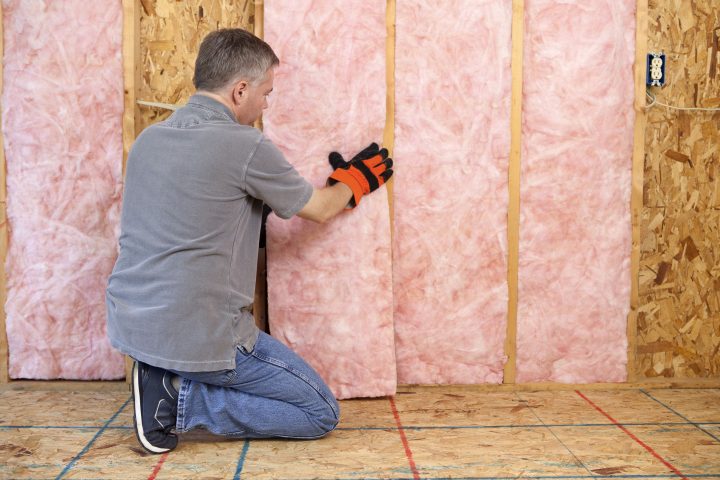
Adding insulation to walls is one of the most effective ways to improve energy efficiency. Different insulation materials, such as fiberglass, cellulose, foam boards, or spray foam, can be installed within the wall cavities. Determining the most energy-efficient insulation type depends on the specific project requirements. Insulation’s thermal resistance, commonly referred to as the R-value, is an important factor to consider. The higher the R-value, the better the insulation’s ability to resist heat transfer.

Air Sealing

Proper air sealing of walls helps prevent air leakage, which can lead to energy loss and discomfort. Seal gaps, cracks, and penetrations in the walls with caulking or weather-stripping to minimize air infiltration and improve energy efficiency.

Exterior Insulation

Adding insulation to the exterior of walls, commonly known as exterior insulation and finish systems (EIFS), can greatly enhance energy efficiency. Exterior insulation minimizes thermal bridging and provides a continuous thermal barrier, improving insulation performance and reducing heat loss/gain through the walls.

Thermal Mass

Incorporating materials with high thermal mass, such as concrete or masonry, into the walls can help regulate temperature fluctuations. Thermal mass absorbs and stores heat, releasing it slowly to help maintain more stable indoor temperatures, reducing the need for additional heating or cooling.

Reflective Coatings

Applying reflective coatings or light-colored paint on exterior walls can help reflect solar radiation, reducing heat absorption and keeping the building cooler during hot seasons. This can help reduce cooling loads and energy consumption.

Advanced Framing Techniques

Optimize wall framing to reduce thermal bridging and increase the space available for insulation. Techniques such as insulated headers, advanced stud spacing, and ladder blocking minimize heat transfer through the framing components.

Building Envelope Integrity

Ensure that the wall system is well-maintained and free from damage or deterioration. Regular inspections and repairs of the building envelope, which include walls, help prevent air leakage, moisture infiltration, and energy loss.

It is important to consider building codes, climate conditions, and the specific requirements of each project when implementing these strategies. Working with energy professionals such as QEA Tech can help identify where the most significant energy loss from a building’s walls is occurring and determine the retrofit methods that maximize energy savings and ROI.

Unlocking building energy savings through the building envelope

The building envelope refers to the outer shell or skin of a building, separating the interior and exterior environments. It serves as a barrier against heat, cold, moisture, noise, and air infiltration. The components of the building envelope, such as insulation materials, windows, and doors, determine the energy efficiency and overall performance of the structure.

Several studies identified saving potentials from the building envelope in European countries in the range between 75% and 80% (Hummel et al, 2021). Of the annual air conditioning heating energy consumption of public buildings, there was about 50% consumed by the heat transfer of the building envelope (Feng et al, 2016). Studies have also shown thermal insulation can reduce buildings’ energy consumption up to forty percent (Abdelhafiz et al, 2022). Below are some critical aspects of the building envelope.

Thermal Insulation: Preserving Comfort, Reducing Energy Demand

Insulation materials, like fiberglass, cellulose, or foam, act as barriers to heat transfer, preventing unwanted heat gain in summers and heat loss during winters. By minimizing the need for heating and cooling, effective insulation significantly reduces energy consumption, leading to substantial cost savings for building owners and occupants.

Air Sealing: Guarding Against Energy Loss

Air leakage through cracks, gaps, and poorly sealed joints can lead to significant energy loss. Airtightness is a crucial aspect of the building envelope, as it prevents uncontrolled air movement, enhancing the effectiveness of insulation and reducing the load on HVAC systems. By minimizing air infiltration, buildings can maintain more stable indoor temperatures, reduce the workload on mechanical systems, and save energy.

Windows and Glazing: Harnessing Natural Light and Passive Heating

Windows, an integral part of the building envelope, provide natural light, ventilation, and a connection to the outside world. However, they can also be a significant source of heat gain or loss. Energy-efficient windows with low-emissivity coatings, multiple panes, and insulating gas can greatly reduce heat transfer, enhancing both comfort and energy savings.

Solar Reflectance and Thermal Mass: Controlling Heat Gain

The building envelope’s design can incorporate materials with high solar reflectance to minimize the absorption of solar radiation, reducing the cooling load on the building. Additionally, thermal mass materials, like concrete or stone, absorb and store heat during the day and release it slowly at night, aiding in maintaining stable indoor temperatures and reducing the reliance on mechanical cooling systems.

Moisture Control: Mitigating Energy Loss and Building Damage

Moisture infiltration can degrade insulation, promote mold growth, and compromise the structural integrity of the envelope. Effective moisture management through vapor barriers, weather-resistant coatings, and proper drainage systems ensures that the building envelope remains dry, reducing the risk of energy loss and potential long-term damage.

Overall, the building envelope is a critical line of defense against energy loss and environmental elements, making it an essential aspect of any sustainable building design. By focusing on the design, materials, and construction techniques of the building envelope, we can unlock significant energy savings, reduce carbon emissions, and enhance occupant comfort. Investing in energy-efficient insulation, high-performance windows, air sealing, solar reflectance, and moisture control measures can lead to substantial long-term benefits for both the environment and building.

Building Envelope Retrofits: Revitalizing Existing Buildings

The building envelope is the part of a building that separates the outside climate from the interior, providing shelter and performing as a protective membrane over the main structure. The building envelope has an important obligation; it helps keep occupants dry, warm, or cool, can help in controlling noise and odors from the exterior, provides safety and security, and it is essential for maintaining suitable indoor air quality. It needs to perform all the aforementioned roles while also creating curb appeal and maintaining an aesthetically pleasing appearance.

What does the Building Envelope Include?

The building envelope components include the materials that comprise the foundation, wall assembly, roofing systems, glazing, doors, and any other penetration separating the interior and exterior. The connections and compatibility between these elements are also a critical part of ensuring that the building envelope functions as intended. An envelope must properly maintain control of the heat flow, moisture flow, and airflow while providing structural integrity and shelter from the rain, snow, hail, wind, dust, pollutants, allergens, and pests. A system’s ability to achieve these tasks is what classifies a high-performance and low-performance building envelope.

Impacts of Building Envelope Deficiencies

Any deficiencies in the envelope system’s performance may impact the overall building performance and subsequently the energy usage/carbon footprint of the building. Unsatisfactory insulation levels will compromise the ability to regulate heat flow, which will reduce occupant comfort and will cause the HVAC system to work harder. Gaps, cracks, and holes in the envelope will result in uncontrolled air leakage which will cause the conditioned air to escape through the roof and walls, creating an unwanted extra load on the HVAC system. Undesirable temperatures and humidity levels may occur and moisture vapor transfer through the envelope will result in moisture-related damage and premature deterioration of building materials. A leaky roof, defective rain screen, or failed window frame can let water enter the building, sometimes in substantial quantities which may cause structural damage, mold, mildew, or other threats to indoor air quality and occupant health.

Retrofitting the Building Envelope

Retrofitting or restoring building performance for an existing commercial building envelope might entail adding insulation, sealing air leakage paths, replacing windows, installing a new roofing system, or any combination of these tactics which will be discussed further. There are many high-performance products available to choose from, all enhanced by chemistry and new technological advancements.

Prior to commencing any sort of retrofit strategies, it is first important to identify the existing problems in a building envelope, either commercial or residential. A popular and non-invasive method that has recently commercialized the market is Infrared Building Envelope Inspections. These are fast, accessible, and efficient means of examining building envelope efficiency using an infrared camera that detects anomalies through temperature fluctuations. These assessments are typically performed on the exterior of the building at sufficient interior and exterior conditions. With an adequate temperature difference between the interior and exterior of the building at the time of assessment, undesirable energy losses through the envelope can be identified. This strategy can help determine whether targeted retrofits or full deep energy retrofits will be required to upgrade the building under investigation. Once these inspections have been performed and breakdowns of retrofit strategies have been reviewed by the building-owner, the rehabilitation project can begin.

Targeted vs Deep Energy Retrofits

There are several types of deep energy retrofit options available for a building, however, focusing on the building envelope, there is typically an option to choose between a deep energy building envelope retrofit, a targeted retrofit or a hybrid option. After identifying the components and points of weakness in the envelope, a cost analysis is performed to access the lifespan, rehabilitation project cost and potential future energy savings against different repair options. A targeted rehabilitation approach is the cheaper option that focuses on repairing specific areas of weakness that were determined during the assessment stage. This approach typically requires continuous upgrades and component reviews throughout the lifespans of the building. Replacing or repairing individual windows, fixing sealant joints and replacing specific damaged roofing areas are some examples of targeted rehabilitation strategies.

A deep energy retrofit on the other hand, consists of an extensive whole-building analysis and construction process aimed at reducing a building’s energy use by at least 50% compared to a historical baseline and usually includes envelope upgrades as part of the retrofit. Focusing on the envelope, a deep energy retrofit usually consists of a full replacement of the building envelop components minus the structure of the building. A deep energy retrofit of the building envelope focuses on redesigning the system to increase its performance which will in turn reduce energy usage bills in the building and increase the lifespan of the construction. The main approaches when dealing with a full-scale envelope replacement is to address the following items: Insulation and thermal bridging, Air tightness and infiltration, glazing and solar shading. These are the main aspects of an envelope that will determine how energy within in a building is being stored and controlled.

The design stage for the retrofit is a complex and important part of the process. While maintaining the existing structure of the building the envelope members must be redesigned accordingly taking into consideration the thermal and hygrothermal performance, air and water control, sound control and aesthetic appeal. The connection and detailing of the new joints must be carefully designed in order to have effective and long-lasting control of external factors. This building envelope redesign process is similar to a new build design, however there are existing factors that must be taken into consideration. The building tenants and their comfort during construction must also be considered. While this process is expensive and timely, there have been many case studies in Canada and other cold climates that show successful deep energy building envelope retrofits.

It is important to remember that while the envelope plays a crucial role in the energy efficiency of the building, it is the entire building function that needs to be considered together as a living unit. Other aspects including HVAC function in accordance with the envelope and should also be evaluated during a deep energy retrofit project. The envelope, however, has been shown over the years to be one of the leading areas of concern and is crucial to investigate when looking at improving energy efficiency of a building and pushing for a more sustainable future.

The Case for Building Reuse and Retrofitting

Affordable housing is another challenge that has affected major cities like Toronto, Vancouver, and New York. The time it takes for a new house development to get from approval to market is too long which is a challenge for the increasing demand of affordable housing. One method of helping speed up the procedure is to direct focus towards restoring, retrofitting and or reusing existing buildings as discussed in this reading. Upgrading, maintaining, or reusing an existing building structure for a rehabilitated use is normally less expensive than demolishing and constructing a new building. These approaches are far better for the environment and leave a smaller carbon footprint if executed properly. Many in the industry are also calling for governments to invest in green retrofits as part of post-COVID stimulus funding. There has also been a call on governments to provide financial assistance to not-for-profit, multi-residential buildings, and calls for retrofits for affordable housing strategies.

Accelerating deep energy retrofits will depend on financial incentives at both the national and local level. Establishing renovation programs for owners, property investors, and occupants to recover some or all of the costs of the project will speed up the adoption and maximise the savings available over the medium- and long-term. Multiple countries and cities are already following this approach. In Canada, The Trudeau government has committed $2B to large-scale building retrofits that drive energy efficiency and sustainable communities. In order to meet Canada’s 2030 GHG emissions reduction it is crucial that the energy usage of building stock be addressed. It is the existing buildings that are in need of attention.

Looking for a quick envelope assessment? Perform a quick and easy non-intrusive Infrared envelope assessment to get an idea of how well energy is being stored and controlled in your building. This is the first and easy step towards a greener and brighter future.

About the author

David Gertsvolf

David has dedicated his career to the Building Science Industry. He holds two Architectural Diploma’s, a Bachelor’s degree in Building science, and is currently studying in the Master’s of Applied Science in Building Science Program at Ryerson University. Through his research, studies, and industry experience David seeks to drive the field of construction to a greener and brighter future. David is a passionate and hard working individual who is excited to thrive as an industry professional and contribute to a growth in sustainable construction.