2026.02.13 |
The commercial real estate (CRE) sector is standing at a critical crossroads. As global regulations tighten and building performance standards change, the industry faces a dual threat: the rapid obsolescence of aging assets and the growing risk of “stranded assets” – properties that can no longer earn their expected economic return due to changes in the environment in which they operate.
However, where many see risk, there is a valuable opportunity for forward-thinking property owners. By leveraging innovative technologies to assess buildings and plan retrofits, stakeholders can protect their investments and turn potential liabilities into high-performing, sustainable assets.
The Scale of the Challenge
Current research indicates a staggering reality: retrofitting rates must increase more than fivefold – from 2.4% today – for the CRE industry to meet net-zero targets by 2050. In major global hubs like New York, the urgency is even higher due to aging building stocks and lower baseline energy efficiency.
The pressure to retrofit is mounting from three distinct directions:
Strict Regulation
With the rise of Building Performance Standards, non-compliant buildings are facing immediate financial penalties. Policies like New York City’s Local Law 97 (LL97) are setting hard emissions limits that most existing buildings do not meet. Buildings that fail to meet these emissions caps don’t just lose their “Green Premium”—they actively accumulate “Brown Discounts” through fines and diminished tenant interest. If applied today, only 25% of Class A office stock in the U.S. would comply with LL97’s 2030 limits.
Volatile Energy Costs
Electricity prices have surged—up by 71% in the EU and 30% in the US over the last four years—making energy-inefficient buildings increasingly expensive to operate.
Physical Risk
53% of CRE investment in the last 10 years occurred in markets facing acute risks from climate. With climate-related insurance costs skyrocketing by 88% in the last five years, ensuring assets are resilient against physical risks directly protects the bottom line.
Turning the Tide: From Stranded to Sustainable
Upwards of US$1.2 trillion in capital expenditure (CAPEX) is needed globally to bring office assets at the end of their life cycles up to modern standards. While this may seem overwhelming, leveraging innovative technologies such as AI allows for the planning of specific, targeted retrofits that minimize cost and optimize ROI.
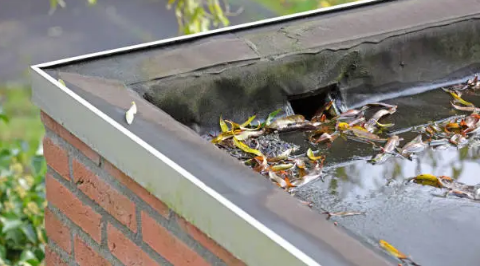
The building envelope—the roof, walls, windows, and foundation—is often the primary source of energy loss and a major contributor to a building’s carbon footprint. According to the International Energy Agency, high-performing envelopes are the most effective way to reduce the thermal needs of buildings, making them an ideal starting point when planning building repairs.
Leveraging solutions such as QEA’s AI-driven building envelope assessments can help to provide the data-driven foundation needed for this massive reinvestment by identifying the locations and asset classes at the highest risk. Instead of guessing where to allocate CAPEX, owners can know exactly which sections of the building envelope require the most urgent attention, ensuring every dollar is spent effectively.
Deep retrofitting buildings to reduce energy use by 40–65% offers a dual advantage: immediate financial savings and long-term asset protection. For institutional owners, this translates to an average savings of US$31 per square meter, potentially unlocking US$2.7 billion in annual operating expense reductions across the world’s highest-risk office markets.
As governments intensify emissions mandates and energy prices increase, proactive retrofitting has moved from “nice-to-have” to a financial necessity. By meeting the growing demand from eco-conscious tenants and investors, owners can secure higher ROI and effectively “future-proof” their properties against the rising risk of asset stranding and obsolescence.
Adapting Real Estate for a Resilient Future
The global real estate landscape is undergoing a structural shift. Property owners must navigate a complex web of regulatory pressure, shifting demand, and the looming threat of asset stranding or obsolescence. Buildings that adapt to changing sustainability and efficiency requirements will thrive. Leveraging advanced technologies that can provide high-quality, detailed insights on building performance will make avoiding obsolescence or stranding a simpler, more achievable process.